Modern smart homes have evolved into complex ecosystems where multiple voice assistants, streaming services, and connected devices operate across different platforms. Homeowners frequently find themselves frustrated when attempting to control spotify with voice commands in one room, adjust lighting through a different assistant in another, or manage their heating system with yet another interface. This fragmentation creates an inefficient experience where the promise of seamless automation remains unfulfilled.
Integrated voice control systems offer a comprehensive solution for unified device management, transforming scattered smart home components into a cohesive, voice-responsive ecosystem. When properly configured, these systems enable natural voice commands that seamlessly manage everything from music streaming and lighting control to heating and security systems. The result is a truly hands-free smart home experience where a single voice command can orchestrate multiple devices across different rooms and functions.
This comprehensive guide provides complete coverage from understanding voice control fundamentals through advanced integration techniques, ensuring you can create a unified voice-controlled ecosystem regardless of your current setup. Whether you're starting fresh or integrating existing devices, you'll discover practical strategies for building reliable, responsive voice control systems that enhance daily life whilst maintaining compatibility with your favourite services and platforms.
Understanding Voice Control Fundamentals in Smart Homes
Voice control technology operates through sophisticated speech recognition algorithms that convert spoken commands into digital instructions for smart home devices. These systems rely on wake words to activate listening modes, followed by natural language processing to interpret commands and execute appropriate actions across your connected ecosystem.
Key components of voice control systems:
- Cloud-based processing for complex command interpretation and device coordination
- Local processing capabilities for immediate responses and privacy-sensitive operations
- Smart home hubs that bridge communication between voice assistants and devices
- Network infrastructure supporting real-time communication across multiple protocols
The effectiveness of voice control depends heavily on compatibility between your chosen voice assistant and smart home devices. Modern integrated systems support multiple protocols simultaneously, enabling seamless communication between Zigbee sensors, Z-Wave thermostats, Wi-Fi cameras, and cloud-based services like music streaming platforms, ensuring comprehensive control through unified voice commands.

Planning Your Integrated Voice Control System
Successful voice control implementation begins with strategic planning that considers your existing devices, network capabilities, and intended expansion plans. A comprehensive device compatibility assessment identifies which components can integrate directly with your chosen voice ecosystem and which require additional hardware bridges or gateway hubs for seamless operation.
Essential planning considerations:
- Network bandwidth requirements for multiple simultaneous voice commands and streaming
- Gateway hub selection supporting Zigbee, Z-Wave, and Wi-Fi protocols simultaneously
- Voice assistant ecosystem choice based on device compatibility and service integration
- Room-by-room coverage planning ensuring reliable voice recognition throughout your home
Multi-protocol smart home hubs serve as the foundation for integrated voice systems, enabling unified control of devices across different communication standards. These hubs translate voice commands into appropriate device-specific signals whilst maintaining system security and ensuring reliable performance even during internet outages through local processing capabilities.

Setting Up Audio Management and Music Streaming
Audio management forms a cornerstone of voice-controlled smart homes, where seamless integration between streaming services and smart speakers creates an immersive, responsive entertainment experience. Setting up spotify voice command functionality requires careful configuration of account linking, device grouping, and audio routing to ensure consistent performance across multiple rooms and speaker systems.
Audio integration setup steps:
- Link streaming accounts to your voice assistant platform for direct service access
- Configure multi-room audio groups enabling synchronised music playback across zones
- Set default music services to streamline voice command processing and reduce errors
- Optimise audio quality settings for different speaker types and room acoustics
Multi-room audio systems benefit significantly from integrated voice control, allowing natural commands like "play jazz in the kitchen" or "move music to the living room" that automatically handle device selection and audio routing. Proper configuration ensures that when you control spotify with voice commands, the system intelligently selects appropriate speakers, adjusts volume levels, and maintains playback quality across different audio zones.
Unified Device Control Through Voice Commands
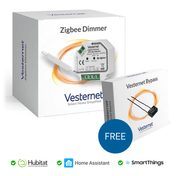
Achieving unified device control requires systematic integration of lighting dimmers, motor controllers, thermostatic radiator valves, and wall controllers into your voice ecosystem. This process involves configuring device discovery, establishing naming conventions that enable intuitive voice commands, and creating logical groupings that reflect how you naturally think about controlling your home environment.
Device integration priorities:
- Lighting systems with dimming capabilities for ambiance control through voice
- Motor controllers for automated blinds, curtains, and garage door operation
- Thermostatic radiator valves enabling room-by-room temperature voice control
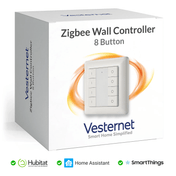
- Wall controllers providing manual backup options whilst maintaining voice integration
Custom voice commands enable sophisticated device combinations, such as "movie time" activating dimmed lighting, lowering blinds, adjusting temperature, and beginning music playback simultaneously. The key to successful implementation lies in creating logical command structures that feel natural whilst avoiding conflicts with existing voice assistant wake words and system commands.

Advanced Voice Integration Techniques
Advanced voice integration combines automation scenes with conditional logic, enabling sophisticated responses that adapt to time, occupancy, and environmental conditions. These systems can recognise individual voices, providing personalised responses and access controls whilst maintaining household security and privacy preferences.
Sophisticated automation scenarios:
- Time-based scene activation combining lighting, heating, and music based on daily routines
- Occupancy-aware responses that adjust behaviour based on room usage patterns
- Voice recognition enabling personalised settings and secure access to sensitive controls
- Cross-platform integration allowing commands to trigger actions across multiple ecosystems
Integration with mobile applications extends voice control capabilities, enabling commands that incorporate location services and external data. For instance, voice commands for waze integration can announce travel times whilst simultaneously adjusting home systems based on departure schedules, demonstrating how advanced voice systems create seamless transitions between home automation and mobile services.

Optimising Performance and Reliability
Consistent voice control performance depends on robust network infrastructure, strategic device placement, and regular system maintenance. Optimising microphone positioning ensures reliable wake word detection whilst network configuration minimises command processing delays and reduces the likelihood of failed device communications.
Performance optimisation strategies:
- Strategic placement of voice assistants ensuring clear audio capture without interference
- Network segmentation isolating smart home traffic for improved reliability and security
- Regular firmware updates maintaining compatibility and adding new features
- Backup communication paths ensuring continued operation during network disruptions
Monitoring system performance through usage analytics helps identify patterns in failed commands and connection issues, enabling proactive maintenance and configuration adjustments. Regular testing of critical voice commands ensures continued reliability for essential home functions like security systems, heating controls, and emergency lighting scenarios.
Troubleshooting Common Voice Control Issues
Voice control systems occasionally encounter connectivity issues, unrecognised commands, and device conflicts that require systematic diagnosis and resolution. Understanding common failure patterns enables quick identification of root causes and appropriate corrective actions, minimising disruption to your smart home experience.
Common troubleshooting scenarios:
- Network connectivity problems affecting cloud-based command processing and device communication
- Wake word detection failures caused by ambient noise or microphone positioning issues
- Device discovery problems preventing new or relocated smart home components from responding
- Service integration failures affecting spotify voice command functionality and other cloud-based features
Systematic diagnostic approaches begin with network connectivity verification, followed by device status checks and voice assistant configuration review. Many issues resolve through simple solutions like device reboots, network reconnection, or voice training updates, whilst persistent problems may require hardware replacement or professional system reconfiguration.
Future-Proofing Your Voice Control System
Emerging voice control technologies promise enhanced natural language understanding, improved local processing capabilities, and expanded device compatibility across manufacturers and protocols. Designing systems with upgrade pathways ensures your investment remains valuable as new standards emerge and voice assistant capabilities continue advancing.
Future-ready design principles:
- Modular hub architecture supporting firmware upgrades and protocol additions
- Standards-based device selection ensuring long-term compatibility and support
- Scalable network infrastructure accommodating increased device density and bandwidth requirements
- Privacy-conscious configuration preparing for enhanced local processing and data protection features
Investment in quality infrastructure components provides the foundation for system evolution, enabling gradual integration of next-generation voice assistants, improved AI capabilities, and expanded smart home device categories without requiring complete system replacement or major reconfiguration efforts.
Conclusion
Integrated voice control systems transform fragmented smart home experiences into seamless, intuitive environments where music, lighting, heating, and automation respond naturally to spoken commands. Proper planning and systematic implementation create cohesive ecosystems that enhance daily life whilst providing reliable, responsive control over your entire connected home infrastructure.
Success with voice integration requires a foundational approach, beginning with robust smart home hubs and gradually expanding device coverage whilst maintaining system reliability and performance. Patient, systematic implementation ensures that each component integrates smoothly with existing systems, creating a unified experience that grows more valuable as your smart home ecosystem expands.
Ready to transform your home with integrated voice control? Explore Vesternet's comprehensive range of smart home solutions, from multi-protocol gateways that unify your devices to advanced dimmers, motor controllers, and wall controllers that respond seamlessly to your voice commands. Our expert team is available to help you design the perfect voice-controlled smart home system tailored to your needs.