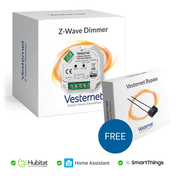
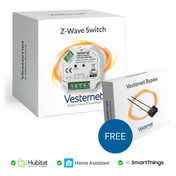
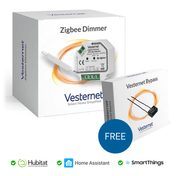
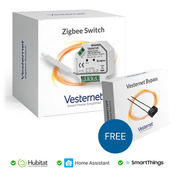
Smart home automation is rapidly expanding, but choosing between single and dual-channel switch modules can be overwhelming, especially when both offer Z-Wave Plus compatibility and power monitoring capabilities. Whether you're dealing with a wireless light switch not working or upgrading from systems like quinetic switch not working scenarios, understanding the core differences becomes crucial for successful automation.
This comprehensive comparison will help you decide between Nice's Single Switch Control and Double Smart Control by examining their channel capacity, load handling, security features, and real-world applications to find the perfect fit for your automation needs. Both modules require a neutral wire switch configuration, making them suitable for modern electrical installations.
As the UK's leading smart home specialists with extensive experience in Z-Wave installations, Vesternet provides expert insights to help you make informed decisions about your home automation investments.

Understanding Nice's Single Channel Solution
The Nice Single Switch Control represents a focused approach to smart home automation, designed specifically for controlling individual high-power devices through a single output channel. This module integrates seamlessly into standard wall switch housings, making installation straightforward for both professional electricians and confident DIY enthusiasts.
With its robust 10A total load rating, this switch excels at managing demanding appliances whilst providing comprehensive monitoring capabilities. The device functions as both a controller and a Z-Wave signal repeater, strengthening your network's reliability across your home.
Key Technical Features
- Single output channel with 10A total capacity
- Power, voltage, current, and energy monitoring
- Support for halogen, incandescent, and resistive loads
- Built-in Z-Wave range tester for network optimisation
- Direct association support for immediate device control

Exploring Nice's Dual Channel Smart Control
The Nice Double Smart Control takes a different approach, offering dual-channel functionality that allows simultaneous control of two separate electrical circuits. This module provides enhanced versatility for complex lighting scenarios or managing multiple device types from a single installation point.
Operating with Z-Wave Plus S2 security protocols, this switch delivers advanced encryption and authentication features. The expanded load compatibility includes LED, capacitive, and inductive loads alongside traditional resistive options, making it suitable for modern energy-efficient lighting systems.
Advanced Capabilities
- Two independent output channels for flexible control
- Enhanced S2 security with PRNG-based encryption
- Broader load type compatibility including LED and capacitive loads
- Dual voltage support: 230V AC mains and 24V DC
- 6A per channel with 9.5A total load rating
Channel Capacity and Load Handling Differences

The fundamental distinction between these switches lies in their channel architecture and load distribution capabilities. The Single Switch Control concentrates its full 10A capacity on a single output channel, making it ideal for high-power applications like electric heaters, powerful kitchen appliances, or workshop equipment requiring substantial current draw.
In contrast, the Double Smart Control distributes its 9.5A total capacity across two channels, with each channel handling up to 6A. This configuration suits scenarios where you need to control multiple moderate-power devices rather than one high-demand appliance.
Load Type Compatibility Comparison
- Single Switch: Halogen, incandescent, and resistive loads only
- Double Smart: LED, halogen, incandescent, resistive, capacitive, and inductive loads
- Voltage requirements: Both support 230V AC mains (Double also supports 24V DC)
- Switch input options: Both accommodate two switch inputs for flexible control
Security protocols represent another key difference. Whilst both devices support Z-Wave Plus certification, the Double Smart Control features advanced S2 authentication with AES-128 and PRNG-based encryption, providing enhanced protection against potential security threats in your smart home network.
Wiring and Installation Requirements
- Both require neutral wire switch installations (3-wire with neutral)
- Operating temperature range: 0°C to 35°C for both models
- Momentary and toggle switch type support across both devices
- Configurable power failure state options for reliable operation
Real-World Performance and Reliability Testing
In practical deployment scenarios, both switches demonstrate excellent responsiveness and network integration capabilities. The Single Switch Control's focused design translates to reliable performance when managing high-current loads, with its comprehensive monitoring providing detailed insights into power consumption patterns.
The built-in range tester functionality proves invaluable during installation and troubleshooting, helping identify optimal placement for maximum network coverage. This feature becomes particularly useful when addressing wireless light switch not working situations or optimising network performance.
Network Integration Performance
- Both devices act as Z-Wave signal repeaters, strengthening network reliability
- Direct association support enables immediate device responses without hub delays
- Central Scene Command Class support allows advanced automation scenarios
- Energy monitoring accuracy helps identify consumption patterns and potential issues
The Double Smart Control's dual-channel operation introduces additional complexity but offers superior flexibility for managing multiple lighting circuits simultaneously. Its enhanced security features provide peace of mind for users concerned about smart home vulnerabilities, whilst the broader load compatibility ensures compatibility with modern energy-efficient lighting systems.
Reliability Considerations
- Configurable power failure states maintain desired settings after power restoration
- Temperature tolerance supports installation in various environmental conditions
- Professional-grade components ensure long-term operational stability
Single Switch Control: Strengths and Limitations
The Single Switch Control's primary strength lies in its concentrated approach to power delivery and monitoring. With its full 10A capacity available to a single channel, this switch handles demanding appliances that would exceed the per-channel limits of dual-channel alternatives.
Its comprehensive energy monitoring capabilities provide detailed consumption data, including power, voltage, current, and energy measurements. This information proves invaluable for energy management, cost tracking, and identifying potential electrical issues before they become problematic.
Notable Advantages
- Higher individual load capacity (10A) for demanding appliances
- Detailed energy monitoring for consumption analysis
- Simplified single-channel operation reduces complexity
- Cost-effective solution for single-device control scenarios
Operational Limitations
- Single output channel limits multi-device control flexibility
- Restricted load type compatibility (no LED or capacitive load support)
- Basic Z-Wave Plus security without advanced S2 features
Double Smart Control: Benefits and Drawbacks
The Double Smart Control excels in scenarios requiring flexible multi-device management from a single installation point. Its dual-channel design enables independent control of two separate circuits, making it ideal for managing multiple lighting zones or controlling different device types simultaneously.
The advanced S2 security implementation provides superior protection against potential network intrusions, whilst the expanded load compatibility ensures compatibility with modern LED lighting systems and variable-load devices that single-channel alternatives cannot accommodate.
Key Benefits
- Dual-channel flexibility for multi-device control
- Enhanced S2 security with advanced encryption
- Broader load compatibility including modern LED systems
- Dual voltage support (230V AC and 24V DC)
Potential Drawbacks
- Lower per-channel capacity (6A) compared to single-channel alternatives
- Increased complexity in setup and configuration
- Higher initial investment for advanced features
Matching Smart Switches to Your Home Setup
Selecting the appropriate switch depends heavily on your specific electrical requirements and automation objectives. For homeowners managing high-power single appliances like electric heaters, power tools, or large kitchen equipment, the Single Switch Control's concentrated 10A capacity provides the necessary headroom for safe, reliable operation.
The comprehensive energy monitoring capabilities make it particularly valuable for energy-conscious users seeking detailed consumption data. This information helps optimise usage patterns, identify energy-hungry devices, and maintain better control over electricity costs.
Single Switch Control Ideal Applications
- High-power appliance control (electric heaters, workshop equipment)
- Detailed energy monitoring and consumption analysis
- Simple on/off automation for individual powerful devices
- Retrofit installations where single-device control suffices
Conversely, the Double Smart Control suits users requiring greater flexibility in device management. Its dual-channel architecture enables sophisticated lighting control scenarios, such as managing both ambient and task lighting independently, or controlling multiple room zones from a central point.
The enhanced security features appeal to security-conscious users, whilst the broad load compatibility ensures compatibility with modern LED lighting systems, smart dimmers, and variable-load devices that traditional switches struggle to accommodate.
Double Smart Control Perfect Scenarios
- Multi-zone lighting control (ambient and task lighting)
- Mixed device type management (LEDs, traditional bulbs, low-voltage systems)
- Security-sensitive installations requiring advanced encryption
- Complex automation scenarios with multiple device interactions
- Future-proofing installations for expanding smart home systems
Installation Considerations
- Both require neutral wire switch installations for proper operation
- Professional installation recommended for complex electrical configurations
- Assess existing wiring compatibility before purchase
- Consider future expansion plans when choosing between single and dual-channel options
Making Your Smart Switch Decision

The choice between Nice Single Switch Control and Double Smart Control ultimately depends on your specific automation requirements and electrical setup. The Single Switch Control excels with its 10A capacity and comprehensive energy monitoring, making it ideal for high-power single appliances or detailed consumption tracking. Meanwhile, the Double Smart Control offers superior flexibility with dual channels and enhanced security, perfect for managing multiple devices or complex lighting scenarios.
Consider your current and future needs: if you're controlling powerful individual devices or prioritising energy analysis, the Single Switch Control provides focused functionality. If you need to manage multiple circuits or want maximum automation flexibility, the Double Smart Control's dual-channel design and expanded load compatibility offer greater versatility.
Decision Framework
- High-power single devices: Choose Single Switch Control for 10A capacity
- Multi-device flexibility: Select Double Smart Control for dual-channel management
- Energy monitoring priority: Single Switch provides comprehensive consumption data
- Security concerns: Double Smart Control offers advanced S2 encryption
- Load compatibility: Double Smart supports modern LED and variable-load devices
Both switches integrate seamlessly with Z-Wave Plus networks and provide reliable smart home control. Take time to assess your specific load requirements, installation constraints, and automation goals to determine which solution best fits your home. Explore both products to discover which Nice switch module will transform your smart home experience.