Managing multiple smart devices through countless apps and interfaces has become increasingly frustrating for homeowners seeking seamless automation. With the average smart home containing 15-20 connected devices, juggling various control methods creates complexity rather than convenience. Recent surveys show that 78% of homeowners want unified control systems, yet many struggle with fragmented device management that requires memorising different commands for each platform.
A voice command system offers the ultimate solution by consolidating all smart home controls into natural, spoken instructions. This unified approach transforms daily routines through hands-free automation, making homes more accessible for family members with mobility challenges whilst significantly improving energy efficiency through intelligent device orchestration. Voice control systems eliminate the need to locate specific apps or remember complex button sequences, creating truly intuitive smart home experiences.
This comprehensive guide explores building a voice-controlled network that seamlessly integrates lighting, climate, security, and entertainment systems. You'll discover foundational concepts, essential hardware components, step-by-step setup procedures, and advanced automation techniques that transform ordinary homes into responsive, voice-activated environments. From basic device integration to sophisticated multi-room scenes, every aspect of creating your perfect voice control system is covered.
Understanding Voice Command Systems: Foundations and Technologies
Modern voice command systems rely on sophisticated networks combining smart hubs, communication protocols, and intelligent processing capabilities. These systems interpret spoken commands and translate them into precise device actions through protocols like Z-Wave and Zigbee, which create reliable mesh networks ensuring consistent communication between components.
Core components of voice control systems:
- Smart hubs that serve as central command centres for device coordination
- Voice assistants providing natural language processing and command interpretation
- Wireless protocols enabling secure, low-power communication between devices
- Gateway systems bridging different device ecosystems into unified control networks
Cloud-based systems offer extensive compatibility and regular updates but require internet connectivity, whilst local processing systems provide faster response times and enhanced privacy. Understanding these fundamental differences helps determine the ideal voice control system architecture for your specific needs and preferences.

Planning Your Voice-Controlled Smart Home Network
Successful voice control implementation begins with thorough assessment of existing smart devices and their compatibility with various voice command systems. Document current devices, noting their communication protocols and integration capabilities to identify gaps that need addressing through gateway solutions or device upgrades.
Strategic planning considerations:
- Network coverage assessment to ensure reliable communication throughout your home
- Device compatibility mapping for seamless integration across brands
- Expansion planning for future device additions and system growth
- Budget allocation prioritising essential components before luxury additions
Creating a phased implementation plan allows gradual system building whilst maintaining functionality throughout the process. Start with core areas like living rooms and bedrooms before expanding to secondary spaces, ensuring each phase delivers immediate value whilst building towards comprehensive home automation.

Essential Components for Voice Integration
Multi-protocol gateways form the backbone of effective voice control systems, enabling communication between devices using different wireless protocols. These intelligent hubs translate commands between Z-Wave, Zigbee, and Wi-Fi devices, creating cohesive networks that respond uniformly to voice instructions regardless of individual device protocols.
Critical hardware components:
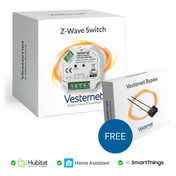
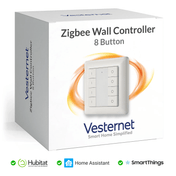
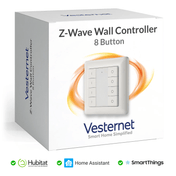
- Wall controllers providing physical backup controls and scene activation buttons
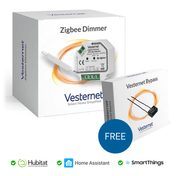
- Wireless dimmers enabling precise lighting control through voice commands
- Smart thermostats offering energy-efficient climate management with spoken instructions
- Motor controllers facilitating automated blind, curtain, and garage door operation
Each component contributes unique capabilities to the voice control ecosystem, from basic on-off functions to sophisticated environmental management. Quality components ensure reliable responses to voice commands whilst providing manual override options for situations where voice control may not be practical or available.

Setting Up Voice Control for Lighting and Climate Systems
Lighting integration represents the ideal starting point for voice control implementation, offering immediate benefits through hands-free illumination management. Begin by installing wireless dimmers and switches that support your chosen protocol, ensuring proper network inclusion before configuring voice commands.
Configuration steps for lighting control:
- Install compatible wireless dimmers in target rooms and pair with your hub
- Create logical device groups like "living room lights" or "bedroom lighting"
- Test basic voice commands before advancing to complex scheduling
- Configure automated responses linking lighting to time schedules and occupancy
Smart thermostat integration follows similar principles but requires careful consideration of heating and cooling system compatibility. Modern voice control systems enable precise temperature management through spoken commands, creating comfortable environments whilst optimising energy consumption through intelligent scheduling and occupancy detection.

Advanced Voice Automation: Scenes and Multi-Device Control
Voice-triggered scenes represent the pinnacle of smart home automation, enabling simultaneous control of multiple devices through single spoken commands. These sophisticated configurations can adjust lighting levels, set optimal temperatures, close blinds, and activate security systems simultaneously, creating perfect ambience for any situation.
Multi-device scene examples:
- "Good morning" scenes opening blinds, adjusting thermostats, and activating lighting
- "Movie time" commands dimming lights, closing curtains, and powering entertainment systems
- "Goodnight" sequences securing doors, dimming lights, and setting sleep-friendly temperatures
Motor controllers enable integration of blinds, garage doors, and awnings into voice command systems, expanding automation possibilities beyond traditional lighting and climate control. These components require careful installation and configuration but provide exceptional convenience through hands-free operation of mechanical systems that previously required manual intervention.
Troubleshooting Voice Command Issues
Common voice control problems typically stem from network connectivity issues, device pairing failures, or voice recognition difficulties. Systematic troubleshooting begins with verifying hub connectivity and ensuring all devices maintain stable network connections through proper mesh network coverage.
Resolution strategies for frequent problems:
- Network range extension through additional repeater devices or hub repositioning
- Voice command refinement using clearer pronunciation and consistent phrasing
- Device re-pairing to resolve communication failures and improve responsiveness
- Hub firmware updates ensuring compatibility with latest device drivers
Voice recognition accuracy improves significantly through consistent command phrasing and optimal microphone positioning. Modern voice control systems learn user preferences over time, but initial training requires patience and deliberate effort to establish reliable communication patterns between users and their automated systems.
Best Practices for Voice Command Optimization
Creating intuitive voice commands requires balancing natural language preferences with system processing capabilities. Successful implementations use consistent naming conventions, avoiding similar-sounding device names that might confuse voice recognition algorithms and lead to unintended activations.
Optimisation techniques for reliable operation:
- Device grouping using logical room-based categories for simplified command structure
- Regular system maintenance including firmware updates and network optimisation
- Command phrase standardisation across household members for consistent operation
- Performance monitoring through usage logs and response time analysis
Maintaining system performance requires ongoing attention to network health, device battery levels, and software updates. Well-maintained voice control systems provide years of reliable service whilst poorly maintained installations gradually degrade, leading to frustrating delays and command failures that undermine the convenience benefits.
Future-Proofing Your Voice-Controlled Smart Home
Emerging voice technologies promise enhanced natural language processing, improved device compatibility, and expanded automation capabilities. Future voice command systems will offer more sophisticated context awareness, enabling complex multi-step instructions and predictive automation based on usage patterns and environmental conditions.
Long-term planning strategies:
- Selecting expandable hub systems supporting multiple communication protocols
- Investment in quality components ensuring long-term reliability and update compatibility
- Documentation maintenance tracking device configurations and automation sequences
- Regular system evaluation identifying opportunities for enhancement and expansion
Successful future-proofing requires balancing current functionality needs with anticipated technological developments. Voice control systems represent long-term investments that should accommodate growing device ecosystems whilst maintaining reliable operation throughout their service life, providing consistent value through evolving smart home requirements.
Conclusion
Voice command systems fundamentally transform daily routines by providing seamless hands-free automation that makes smart homes truly intelligent and responsive. Through careful system integration, homeowners achieve effortless device orchestration that improves accessibility, reduces energy consumption, and enhances security whilst eliminating the complexity of managing multiple control interfaces. These systems represent the natural evolution of home automation, creating living environments that respond intuitively to spoken instructions.
Beginning your voice control journey requires methodical planning and gradual implementation, starting with essential components like smart hubs and basic lighting controls before expanding into comprehensive automation systems. Success depends on choosing quality components, following proper installation procedures, and maintaining systems through regular updates and optimisation. The investment in professional-grade voice control technology pays dividends through years of reliable, convenient operation.
Ready to explore voice control solutions for your smart home? Discover our comprehensive range of gateway hubs, wireless controllers, smart thermostats, and automation devices designed to create seamless voice-controlled environments. Our expert team provides personalised guidance for building the perfect voice command system tailored to your specific needs and preferences, ensuring reliable hands-free automation that grows with your smart home requirements.