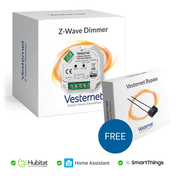
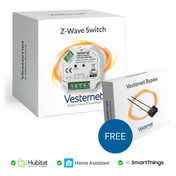
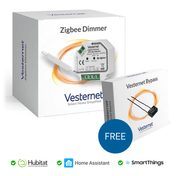
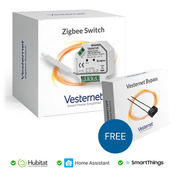
The traditional wired switch has served homes faithfully for over a century, but it's increasingly becoming a bottleneck in our connected world. Fixed to a single location with predetermined functionality, these switches can't adapt to changing room layouts, evolving lifestyle needs, or the sophisticated automation requirements that modern smart homes demand. Whether you're trying to control lights from multiple locations without rewiring, create complex lighting scenes for different activities, or integrate your switches with broader home automation systems, traditional switches simply lack the flexibility and intelligence required for contemporary living.
Zigbee smart switches revolutionise home control by breaking free from the constraints of traditional wiring whilst delivering unprecedented automation capabilities. These innovative devices offer wireless control that can be positioned anywhere within your home, eliminating the need for costly rewiring projects. Beyond basic on/off functionality, they provide sophisticated features including dimming control, scene activation, scheduling, and seamless integration with existing smart home ecosystems. The energy efficiency gains from intelligent automation, combined with the convenience of remote control and advanced scheduling capabilities, make Zigbee switches an essential upgrade for any modern home seeking enhanced comfort and efficiency.
This comprehensive guide examines eight distinct categories of Zigbee smart switches, each designed to address specific automation needs and installation scenarios. From traditional wall-mount modules that retrofit existing switch locations to portable controllers that provide flexible control throughout your home, we'll explore the technical specifications, installation requirements, and practical applications of each type. You'll discover how motion-activated switches enhance security and convenience, how scene controllers enable complex automation sequences, and how weatherproof options extend smart control to outdoor spaces. By understanding these different solutions, you'll be equipped to select the perfect combination of Zigbee switches to transform your home into a truly intelligent living environment.

1. Traditional Wall-Mount Zigbee Switch Modules
Wall-mount Zigbee switch modules represent the most familiar entry point into smart home control, designed to directly replace your existing light switches whilst maintaining the traditional manual operation that household members expect. These modules fit into standard electrical boxes and connect to your home's existing wiring, transforming ordinary switches into intelligent controllers capable of wireless communication, scheduling, and integration with broader automation systems. The beauty of these switches lies in their ability to preserve familiar manual operation whilst adding sophisticated smart features that enhance daily convenience and energy efficiency.
Installation of wall-mount Zigbee modules requires careful attention to your home's electrical configuration, particularly regarding neutral wire availability. Most modern installations include neutral wires in switch boxes, but older properties may lack this essential component, requiring either electrical upgrades or selection of switches specifically designed for neutral-free operation. Load capacity considerations are equally important, as these switches must handle the electrical demands of connected lighting circuits safely and efficiently. Standard modules typically accommodate loads between 10-15 amperes, making them suitable for most residential lighting applications whilst providing reliable performance over years of operation.
The integration capabilities of wall-mount Zigbee switches extend far beyond simple remote control, offering sophisticated automation features that transform how you interact with your home's lighting. These switches can participate in complex scenes that adjust multiple lights simultaneously, respond to occupancy sensors and time schedules, and coordinate with other smart home devices to create truly intelligent environments. The wireless communication enables multi-way switching without additional wiring, allowing you to control lights from multiple locations whilst providing the flexibility to add new control points as your needs evolve.
Compatibility with standard electrical boxes ensures that wall-mount Zigbee switches integrate seamlessly into existing infrastructure without requiring structural modifications or specialised installation hardware. The switches maintain the familiar aesthetic of traditional switch plates whilst incorporating subtle LED indicators that provide feedback on switch status and network connectivity. This combination of familiar operation with advanced functionality makes wall-mount modules ideal for households transitioning to smart home control, providing immediate benefits whilst establishing the foundation for more comprehensive automation systems.
2. Battery-Powered Wireless Wall Controllers
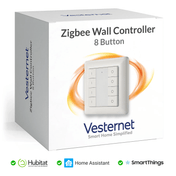
Battery-powered wireless wall controllers liberate smart home control from the constraints of electrical wiring, enabling switch placement wherever convenience and functionality demand rather than where electrical infrastructure allows. These innovative devices mount easily to any wall surface using adhesive backing or screws, providing professional-looking control points that integrate seamlessly with your home's décor. The elimination of wiring requirements makes these controllers particularly valuable for renters, retrofit installations, and situations where adding new electrical circuits would be impractical or prohibitively expensive.
Modern battery technology ensures that wireless controllers deliver reliable performance with extended operational life, typically ranging from 12-24 months depending on usage patterns and switch features. Advanced power management systems optimise battery consumption by employing deep sleep modes when inactive and efficient wireless communication protocols that minimise energy drain during operation. Many controllers feature low-battery indicators and smartphone notifications that provide advance warning of replacement needs, ensuring uninterrupted operation and preventing unexpected failures in critical control applications.
The placement flexibility offered by wireless controllers opens up unprecedented possibilities for customised smart home control layouts. You can position switches at optimal heights for different users, create control clusters for complex lighting zones, or add temporary control points for special events and seasonal requirements. This adaptability proves particularly valuable in spaces with challenging layouts, where traditional wiring would be difficult or where aesthetic considerations make visible conduits unacceptable. The controllers can complement existing wired switches by providing multi-point control, enabling lights to be operated from multiple convenient locations throughout a room or area.
Installation simplicity makes wireless controllers accessible to homeowners of all technical skill levels, requiring no electrical knowledge or specialised tools. The mounting process typically involves selecting an appropriate location, cleaning the surface, and applying the controller using provided adhesive or mounting hardware. Configuration through smartphone apps enables easy customisation of button functions, scene associations, and automation rules, allowing users to create sophisticated control schemes without complex programming or technical expertise. This ease of installation and configuration makes wireless controllers ideal for quickly expanding smart home control capabilities and testing automation concepts before committing to permanent installations.
3. Scene Control Panel Switches
Scene control panel switches represent the pinnacle of smart home control sophistication, featuring multiple programmable buttons that can trigger complex automation sequences with a single press. These advanced controllers transcend basic on/off functionality by enabling users to create and activate comprehensive scenes that coordinate lighting levels, colours, and even integrate with other smart home systems such as audio, climate control, and security. A single scene might simultaneously dim the main lights, activate accent lighting, adjust the thermostat, and begin playing ambient music, creating the perfect atmosphere for relaxation, entertainment, or focused work.
The programmable button configurations offered by scene controllers provide unprecedented flexibility in home automation design, with most units featuring 2-8 buttons that can each control multiple devices and settings. Advanced models support different press types including single tap, double tap, and long press, effectively multiplying the available control options from each physical button. This sophistication enables users to create intuitive control schemes where a single panel manages all aspects of a room's environment, eliminating the need for multiple individual switches and creating clean, professional-looking control interfaces.
Integration with lighting zones showcases the true power of scene controllers, enabling sophisticated lighting designs that adapt to different activities and times of day. Morning scenes might gradually increase lighting levels across multiple zones to support natural wake-up routines, whilst evening scenes create warm, relaxing environments perfect for unwinding. Entertainment scenes can dim ambient lighting whilst highlighting artwork or architectural features, and working scenes provide optimal task lighting whilst minimising glare and eye strain. The ability to adjust not just brightness but also colour temperature and hue in compatible lighting creates virtually unlimited possibilities for customised environments.
Advanced automation possibilities extend scene control beyond immediate activation to encompass time-based scheduling, occupancy detection, and integration with external triggers such as weather conditions or security events. Scene controllers can automatically activate appropriate lighting based on the time of day, seasonal changes, or detected activity patterns, creating homes that anticipate occupant needs and respond intelligently to changing conditions. The sophisticated programming capabilities enable complex conditional logic where scene activation depends on multiple factors, ensuring that automation enhances comfort without ever becoming intrusive or inappropriate for the current situation.
4. Dimmer-Integrated Smart Switches
Dimmer-integrated smart switches combine traditional switching functionality with precise brightness control, offering smooth, stepless adjustment that enhances both comfort and energy efficiency. These sophisticated devices provide local dimming control through intuitive slider or button interfaces whilst simultaneously enabling remote adjustment and automation through smart home systems. The integration of dimming capabilities eliminates the need for separate dimmer modules and switches, creating cleaner installations with professional aesthetics that complement any décor style whilst delivering the advanced functionality that modern smart homes demand.
Compatibility considerations for dimmer switches encompass the full spectrum of modern lighting technologies, from traditional incandescent and halogen bulbs to advanced LED fixtures and specialty lighting systems. Modern Zigbee dimmers incorporate intelligent load detection and adaptive control algorithms that automatically optimise performance for different bulb types, ensuring smooth dimming without flicker, noise, or premature bulb failure. This universal compatibility extends to minimum load requirements, with many switches capable of controlling single LED bulbs reliably whilst maintaining smooth dimming performance across the entire brightness range.
The smooth dimming performance delivered by quality Zigbee dimmers creates comfortable lighting transitions that support natural circadian rhythms and enhance daily activities. Advanced switches provide fade rates that can be customised for different applications, with slow transitions for relaxation and quick adjustments for task-oriented activities. The precise control enables fine-tuning of lighting levels to match specific activities, from bright task lighting for detailed work to subtle accent lighting for entertainment and relaxation. This level of control proves particularly valuable in multi-purpose spaces where lighting needs change throughout the day.
Energy efficiency benefits from intelligent dimming extend beyond simple power reduction to encompass sophisticated scheduling and occupancy-based control that optimises energy consumption without compromising comfort. Smart dimmers can automatically adjust lighting levels based on available natural light, time of day, and detected occupancy patterns, ensuring that artificial lighting supplements rather than wastes natural illumination. Integration with automated lighting schedules enables gradual transitions that mimic natural sunrise and sunset patterns, supporting healthy sleep cycles whilst reducing overall energy consumption through intelligent automation that responds to both environmental conditions and occupant needs.
5. High-Load Appliance Control Switches
High-load appliance control switches extend smart home capabilities beyond lighting to encompass major household systems and equipment, featuring robust designs capable of safely managing the electrical demands of HVAC systems, water heaters, pool pumps, and other heavy-duty applications. These specialised switches incorporate reinforced contacts, enhanced heat dissipation, and sophisticated load monitoring capabilities that ensure reliable operation under demanding conditions whilst providing the intelligent control features that enable significant energy savings and enhanced convenience in managing major home systems.

Load ratings for appliance control switches typically range from 20 to 50 amperes, with some specialised units capable of handling even higher currents safely and reliably. The switches incorporate advanced materials and engineering designs that manage the heat generation and electrical stress associated with high-current switching operations. Built-in arc suppression and contact protection systems ensure long service life even under frequent switching conditions, whilst sophisticated monitoring systems track power consumption and provide early warning of potential issues before they result in failures or safety concerns.
Safety considerations for high-load switches encompass comprehensive protection systems including overcurrent detection, thermal monitoring, and fail-safe designs that prioritise safety under all operating conditions. Advanced switches incorporate ground fault detection and arc fault protection that exceeds standard electrical code requirements, providing additional layers of safety for critical applications. The switches feature robust enclosures designed to contain potential failures whilst providing clear visual and audible indicators of switch status and any fault conditions that require attention.
Heat management represents a critical aspect of high-load switch design, with advanced thermal engineering ensuring reliable operation even in challenging environmental conditions. The switches incorporate heat sinks, thermal barriers, and intelligent load management systems that prevent overheating whilst maintaining optimal performance. Applications for HVAC systems benefit from precise control of heating and cooling equipment, enabling sophisticated scheduling and occupancy-based operation that significantly reduces energy consumption whilst maintaining optimal comfort levels. Water heater control enables demand-based heating schedules that align energy consumption with usage patterns, whilst pool and spa equipment control provides convenient automation of maintenance cycles and energy-efficient operation schedules.
6. Portable Remote Control Switches
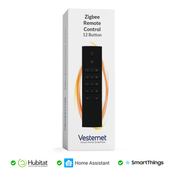
Portable remote control switches provide the ultimate flexibility in smart home control, offering handheld and tabletop devices that enable wireless operation from anywhere within the home's Zigbee network range. These compact controllers eliminate the need to approach wall switches or use smartphone apps for basic control functions, providing immediate access to lighting and appliance control from comfortable seating positions, bedside locations, or anywhere convenience demands. The portability factor proves particularly valuable for elderly users, individuals with mobility limitations, or anyone seeking effortless control without the complexity of smartphone interfaces.
Range considerations for portable switches encompass both the Zigbee network coverage and the practical limitations of battery-powered operation in different home environments. Modern Zigbee networks typically provide reliable coverage throughout average homes, with mesh networking ensuring robust communication even in challenging RF environments. However, large homes or properties with significant structural barriers may require strategic placement of mesh repeaters to ensure consistent performance in all desired locations. The switches incorporate intelligent power management that optimises range whilst preserving battery life, providing reliable operation throughout the home whilst maintaining extended operational periods between battery replacements.
Battery optimisation technologies ensure that portable switches deliver months or even years of reliable operation from standard batteries, employing sophisticated power management algorithms that minimise energy consumption during standby periods whilst providing immediate response when activated. Advanced switches incorporate motion detection that awakens the device when handled, eliminating the need for power-consuming always-on displays whilst ensuring instant responsiveness when needed. Low-power wireless protocols and efficient circuit designs further extend operational life, with many devices providing battery level monitoring and advance warning of replacement needs through connected smartphone applications.
Keychain and tabletop options cater to different usage patterns and preferences, with compact keychain units providing always-available control for frequently accessed functions and larger tabletop units offering more comprehensive control panels for complex automation systems. Emergency control scenarios benefit significantly from portable switches, providing backup control methods during power outages or system failures whilst ensuring that critical lighting and systems remain accessible regardless of other system conditions. The switches often incorporate LED indicators that provide immediate feedback on command transmission and system status, ensuring confident operation even in low-light conditions where visual confirmation proves essential.
7. Motion-Activated Combination Switches
Motion-activated combination switches represent the evolution of traditional occupancy sensors into sophisticated smart home control devices that seamlessly blend automatic operation with manual control capabilities. These innovative switches incorporate advanced PIR (Passive Infrared) sensors that detect occupancy and movement patterns whilst maintaining full manual override functionality for situations where automatic operation may not be appropriate. The combination approach ensures that lights activate automatically when entering rooms whilst providing the flexibility to adjust settings or override automatic functions when specific lighting requirements demand manual intervention.
PIR sensor integration utilises advanced detection algorithms that differentiate between human occupancy and incidental movement from pets, air currents, or mechanical systems, reducing false activations whilst ensuring reliable detection of actual occupancy. Modern sensors offer adjustable sensitivity settings and detection patterns that can be customised for different room types and layouts, from wide-area detection suitable for large spaces to focused patterns appropriate for corridors and transitional areas. The sensors incorporate intelligent processing that adapts to environmental conditions and usage patterns, learning to optimise detection sensitivity for specific installations and reducing nuisance activations over time.
Automatic timeout settings provide customisable control over how long lights remain activated after motion is no longer detected, with typical options ranging from 30 seconds to 30 minutes depending on room usage patterns and energy efficiency requirements. Advanced switches offer multiple timeout periods for different times of day or days of the week, recognising that occupancy patterns vary significantly between work days and weekends, or between daytime and evening hours. The timeout functionality incorporates gradual dimming warnings that alert occupants before automatic shutoff, preventing sudden darkness whilst maintaining energy efficiency through reliable automatic operation.
Manual override functions ensure that motion-activated switches never compromise user control or create inconvenient automatic operation in situations where continuous lighting is required regardless of movement patterns. Override modes typically include temporary disable options for cleaning or maintenance activities, vacation modes that provide security lighting patterns, and manual-on modes that maintain lighting until manually switched off. Optimal placement strategies consider both detection coverage and aesthetic integration, with switches positioned to provide comprehensive room coverage whilst maintaining clean sight lines and professional appearance. Different room types benefit from customised detection patterns, with bedrooms requiring gentle activation levels for nighttime use, bathrooms needing immediate response, and work areas benefiting from extended timeout periods that accommodate focused activities with minimal movement.
8. Outdoor and Environmental Zigbee Switches
Outdoor and environmental Zigbee switches extend smart home control beyond interior spaces to encompass gardens, patios, security lighting, and other exterior applications that demand robust construction and reliable performance in challenging weather conditions. These specialised switches incorporate comprehensive weatherproofing, UV protection, and temperature resistance that ensures reliable operation through seasonal extremes whilst maintaining the sophisticated automation capabilities that make smart home control so valuable. The ability to integrate outdoor lighting, irrigation systems, and security equipment into comprehensive automation schemes creates truly connected properties that respond intelligently to both scheduled requirements and real-time conditions.

IP ratings for outdoor switches typically range from IP65 to IP68, indicating complete protection from dust ingress and varying levels of water resistance from splashing to complete submersion. The higher IP ratings enable installation in locations exposed to direct rainfall, snow, irrigation systems, and even occasional flooding without compromising switch functionality or safety. Advanced sealing systems incorporate multiple barriers including gaskets, sealed enclosures, and drainage channels that prevent moisture ingress whilst allowing for thermal expansion and contraction that occurs with temperature cycling. UV protection ensures that switch housings maintain structural integrity and appearance despite constant sun exposure that can degrade lesser materials over extended periods.
Temperature resistance encompasses both operational ranges that accommodate seasonal extremes and thermal cycling durability that prevents failures due to repeated expansion and contraction. Quality outdoor switches typically operate reliably from -40°C to +70°C, covering the extreme temperature ranges encountered in most climates whilst maintaining full functionality and wireless communication capabilities. The switches incorporate temperature-compensated electronics and robust mechanical designs that prevent failure modes common in devices not specifically engineered for outdoor use, including connection failures, housing cracks, and electronic component drift that can compromise performance.
Specific use cases for outdoor Zigbee switches encompass garden lighting systems that create beautiful evening landscapes whilst providing security benefits, automated irrigation control that optimises water usage based on weather conditions and plant requirements, and security system integration that coordinates lighting with motion detection and alarm systems. Pool and spa control applications benefit from waterproof switches that manage pumps, heaters, and lighting systems whilst providing remote monitoring and control capabilities that ensure optimal operation and energy efficiency. Seasonal lighting control for holidays and special events becomes effortless with automated scheduling that can coordinate complex lighting displays whilst providing energy-efficient operation and protection against weather-related damage.
Our Zigbee Smart Switch Recommendations
When selecting Zigbee smart switches for your home automation system, consideration of your specific use cases, budget requirements, and long-term automation goals ensures optimal results and maximum satisfaction from your investment. Budget-conscious users seeking basic automation features should focus on reliable wall-mount switches that provide essential wireless control and scheduling capabilities without unnecessary complexity or advanced features that may not be utilised. The Vesternet Zigbee Wall Controller offers excellent value as an entry-level solution with two programmable buttons and battery-powered operation, whilst the Aqara Smart Wall Switch H1 provides affordable dual-channel control with neutral wire compatibility for traditional wired installations.

Premium users wanting advanced scene control and integration capabilities benefit from sophisticated multi-button controllers and dimmer-integrated switches that provide comprehensive control over complex lighting schemes and automation sequences. The NodOn Zigbee 2-Channel Switch delivers professional-grade features including DIN rail mounting, zero crossing technology, and compatibility with all lamp types, making it ideal for comprehensive installations requiring reliable performance and advanced functionality. Specialised applications requiring outdoor durability or high-load capacity demand purpose-built switches engineered for specific environmental or electrical requirements, with features and construction that ensure reliable performance in challenging conditions where standard switches would fail.
Ecosystem integration considerations prove crucial for users with existing smart home hubs, as compatibility with current systems ensures seamless operation and maximises the value of previous investments in automation infrastructure. Multi-function versatile solutions like the Vesternet Zigbee 2 Channel Switch provide comprehensive home automation capabilities that grow with expanding system requirements, offering dual-channel control with power monitoring and the flexibility to operate standalone or with hub integration. Compact discreet installation options cater to renters or users preferring minimal-intervention setups, providing sophisticated smart home control without permanent modifications or complex installation procedures that might complicate future changes or relocations.
Conclusion
Zigbee smart switches represent a transformative upgrade that brings wireless flexibility, energy efficiency, and seamless integration capabilities to traditional home lighting and appliance control systems. The elimination of wiring constraints opens up unprecedented possibilities for customised control layouts, whilst advanced automation features create intelligent environments that adapt to your lifestyle requirements and preferences. From simple scheduling that ensures lights turn off when forgotten to sophisticated scene control that coordinates multiple systems for optimal comfort and efficiency, these switches provide the foundation for truly intelligent homes that enhance daily living whilst reducing energy consumption and operational costs.
Starting your smart home journey with a single well-chosen switch provides an excellent introduction to the convenience and capabilities that intelligent automation offers, allowing you to experience the benefits firsthand before expanding into more comprehensive systems. This gradual approach enables learning and experimentation with automation concepts whilst building confidence in the technology and identifying additional opportunities for enhancement throughout your home. The importance of choosing quality devices cannot be overstated, as reliable switches that support long-term automation goals provide years of dependable service whilst maintaining compatibility with evolving smart home standards and technologies.
Exploring the comprehensive collection of Zigbee switches and smart home devices available through specialist retailers provides access to quality products backed by expert advice and support to help you select perfect solutions for your specific automation needs and home requirements. Professional guidance ensures that your switch selections complement each other and integrate seamlessly into cohesive automation systems that deliver maximum benefit and satisfaction. Whether you're beginning with basic wireless control or planning comprehensive whole-home automation, the right combination of Zigbee switches creates the intelligent, efficient, and convenient living environment that modern homes deserve.