Smart home technology has transformed from a futuristic concept to an accessible reality for homeowners everywhere. Whether you're looking to enhance convenience, improve energy efficiency, or boost security, smart home automation offers practical solutions that can be tailored to your specific needs. This comprehensive guide will walk you through everything you need to know to get started with smart home automation, from understanding the fundamental technologies to selecting the right components for your first setup.

What Is Smart Home Automation?
At its core, smart home automation is the process of making your home's devices and systems work together intelligently, responding to your preferences and behaviors with minimal manual intervention. Unlike traditional homes where each device operates independently, a smart home creates an ecosystem where devices communicate with each other and can be controlled centrally.
Smart home automation allows you to:
- Control devices remotely via smartphone apps
- Create automated routines that trigger multiple actions simultaneously
- Program devices to respond to specific conditions (time of day, presence detection, weather changes)
- Monitor your home's energy usage and security status in real-time
- Integrate voice control for hands-free operation
The result is a living environment that adapts to your lifestyle, anticipates your needs, and simplifies everyday tasks—all while potentially reducing energy consumption and enhancing security.
The Foundation: Wireless Communication Protocols
The backbone of any smart home system is the communication protocol—the language that devices use to talk to each other. While there are several protocols available, two stand out for their reliability, security, and widespread adoption: Z-Wave and Zigbee.
Z-Wave Technology
Z-Wave has become a cornerstone of reliable smart home systems for several compelling reasons:
- Mesh Network Architecture: Each Z-Wave device can relay signals to others, creating a network that becomes stronger and more reliable as you add more devices.
- Dedicated Frequency: Operating on the 868.42 MHz frequency band in Europe, Z-Wave avoids interference from Wi-Fi networks and other common wireless devices.
- Excellent Compatibility: Z-Wave's standardized protocol ensures devices from different manufacturers work together seamlessly.
- Enhanced Security: Z-Wave Plus with S2 security framework provides advanced encryption to protect your home network from unauthorized access.
- Low Power Consumption: Devices can operate for years on battery power, making them ideal for sensors and other devices where frequent battery changes would be inconvenient.
Zigbee Technology
Zigbee offers similar benefits with some distinct advantages:
- Ultra-Low Power Consumption: Zigbee devices are exceptionally energy-efficient, making them perfect for battery-operated sensors.
- Fast Response Times: The protocol is optimized for quick command execution, resulting in near-instantaneous response when controlling devices.
- High Device Limit: Zigbee networks can support thousands of devices, making it future-proof for even the most ambitious smart home projects.
- Open Standard: As an open protocol, Zigbee encourages innovation and competition among manufacturers.
Both Z-Wave and Zigbee create reliable mesh networks where each device acts as a repeater, extending the range and improving the stability of your smart home system. This is fundamentally different from Wi-Fi-based smart devices, which can congest your home network and often don't communicate directly with each other.

Essential Components for Your Smart Home
Building a smart home system requires several key components working together. Here's what you'll need to get started:
1. Smart Home Controllers (Hubs)
At the heart of every smart home lies the central controller or hub. This device serves as the command center, enabling communication between different smart devices and allowing you to manage everything from a single interface.
Smart Home Controllers come in various forms, from dedicated hubs to software that runs on computers. When selecting a controller, consider:
- Protocol Support: Ensure it supports the wireless protocols you plan to use (Z-Wave, Zigbee, or both)
- User Interface: Look for intuitive apps and dashboards that make controlling your smart home simple
- Automation Capabilities: More advanced controllers offer powerful automation rules and scenarios
- Local Processing: Controllers that process automation locally (without requiring cloud connectivity) provide better reliability and privacy
A quality controller forms the foundation of your smart home, so it's worth investing in one that offers the features and reliability you need.
2. Smart Sensors
Smart Home Sensors are the eyes and ears of your smart home, gathering information about your environment and triggering appropriate responses. Common sensor types include:
- Motion Sensors: Detect movement in specific areas, useful for security and automated lighting
- Door/Window Sensors: Monitor whether doors and windows are open or closed
- Temperature & Humidity Sensors: Track environmental conditions for comfort and energy efficiency
- Water Leak Sensors: Provide early warning of potential water damage
- Light Sensors: Measure ambient light levels to adjust lighting and blinds automatically
Sensors provide the contextual awareness that makes a smart home truly "smart," allowing your system to respond to changing conditions without manual input.
3. Smart Modules
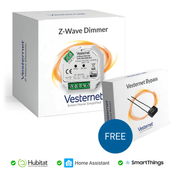
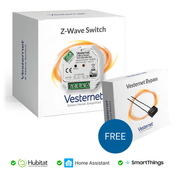
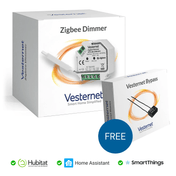
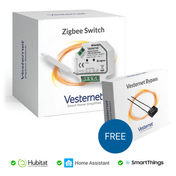
For controlling built-in fixtures like ceiling lights, wall outlets, and motorized blinds, Smart Home Modules offer a discreet solution that integrates directly into your home's infrastructure. These include:
- In-Wall Dimmers: Control lighting brightness levels while saving energy
- Smart Switches: Convert standard lighting to smart lighting without changing fixtures
- Motor Controllers: Automate blinds, curtains, and other motorized elements
- Multi-Channel Controllers: Manage multiple circuits from a single installation point
Smart modules are typically installed behind existing switches or in electrical boxes, making them invisible while providing powerful control capabilities. Many modules also offer energy monitoring features, helping you identify power-hungry appliances and optimize your electricity usage.

4. Smart Plugs
For the simplest entry into smart home technology, Smart Home Plugs allow you to control standard appliances without any permanent installation. Simply plug these devices into existing outlets, then plug your appliances into them to gain:
- Remote power control for lamps, fans, heaters, and other plug-in devices
- Energy monitoring to track consumption
- Scheduling capabilities to automate when devices turn on and off
- Integration with other smart home components for coordinated automation
Smart plugs are perfect for renters or those who want to experiment with smart home technology without making permanent changes to their living space.
5. Smart Remotes
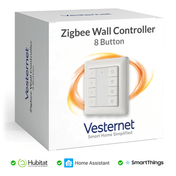
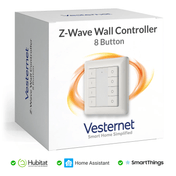
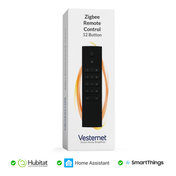
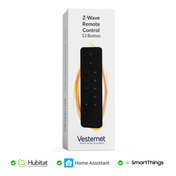
While smartphone apps provide comprehensive control, dedicated Smart Home Remotes offer convenient physical controls for everyday use. These range from simple button controllers to sophisticated touchscreen panels, providing:
- Quick access to frequently used functions without opening an app
- Intuitive controls that all household members can use, regardless of technical ability
- Customizable buttons that can trigger complex scenes with a single press
- Wall-mounted options that function like traditional switches but with enhanced capabilities
Smart remotes bridge the gap between conventional controls and fully digital interfaces, making your smart home accessible to everyone.
Getting Started: Building Your First Smart Home System
Now that you understand the components, here's a step-by-step approach to building your first smart home system:
Step 1: Define Your Goals
Before purchasing any equipment, clarify what you want to achieve with your smart home. Common objectives include:
- Convenience: Automating routine tasks and simplifying home control
- Energy Efficiency: Reducing utility bills through smarter management of heating, cooling, and lighting
- Security: Enhancing home monitoring and protection
- Accessibility: Making home control easier for family members with mobility challenges
- Entertainment: Creating the perfect environment for relaxation and media consumption
Your specific goals will guide your component selection and implementation priorities.

Step 2: Choose Your Controller
Select a smart home controller that supports the protocols you plan to use and offers the features you need. For beginners focusing on reliability and wide compatibility, controllers that support both Z-Wave and Zigbee provide the most flexibility for future expansion.
Step 3: Start with a Single Room or Function
Rather than attempting to automate your entire home at once, focus on a single room or function:
- Lighting in main living areas: Smart switches or plugs connected to lamps
- Home security: Door/window sensors and motion detectors
- Climate control: Smart thermostats and temperature sensors
- Entertainment setup: Media device control and automated lighting scenes
Starting small allows you to learn the system and expand methodically as your confidence grows.
Step 4: Add Automation Rules
Once your devices are installed and connected to your controller, create basic automation rules such as:
- Turning lights on at sunset and off at bedtime
- Adjusting thermostat settings based on occupancy
- Sending notifications when doors open during certain hours
- Creating "away" and "home" modes that adjust multiple devices simultaneously
As you become more comfortable with your system, you can create increasingly sophisticated automations that respond to multiple conditions and triggers.
Step 5: Expand Gradually
As you become familiar with your initial setup, gradually expand by adding more devices and exploring more complex automations. Consider:
- Extending to additional rooms
- Adding new types of devices to enhance functionality
- Creating more sophisticated automation rules that combine multiple triggers and conditions
- Exploring voice control integration
Common Challenges and Solutions
Challenge: Wireless Range Limitations
Solution: Both Z-Wave and Zigbee create mesh networks where each powered device acts as a repeater. Strategic placement of devices can extend your network's range throughout your home. If you have a larger property, consider adding dedicated repeaters in areas with weak coverage.

Challenge: Older Home Wiring
Solution: Many homes, especially older ones, lack neutral wires at switch locations, which some smart switches require. Look for smart modules specifically designed for installation without neutral wires, or consider smart plugs and lamp modules as alternatives.
Challenge: Family Adoption
Solution: Ensure your smart home remains accessible to all family members by maintaining traditional control methods alongside smart features. Smart remotes and simple voice commands can make the system approachable for less tech-savvy household members.
Challenge: Integration Between Systems
Solution: Choose a controller hub that supports multiple protocols and has a strong integration ecosystem. This allows you to mix devices from different manufacturers while maintaining a unified control interface.
Future-Proofing Your Smart Home
Technology evolves rapidly, but you can make choices now that will keep your smart home relevant for years to come:
- Choose open standards: Z-Wave and Zigbee have strong track records of backward compatibility
- Select a controller with regular updates: Active development indicates ongoing support
- Invest in quality components: Better devices typically offer longer lifespans and more reliable operation
- Plan for expandability: Consider how your system might grow as your needs change
Conclusion
Smart home automation offers a blend of convenience, efficiency, and security that can genuinely enhance your daily life. By starting with a clear understanding of the fundamental technologies and a focused approach to implementation, you can create a system that grows with your needs and provides lasting value.
Remember that building a smart home is a journey rather than a destination—start with the basics, learn as you go, and expand your system as you discover new possibilities. With Z-Wave and Zigbee technology as your foundation, you'll be well-positioned to create a reliable, flexible smart home that truly works for you.
Ready to begin your smart home journey? Explore Vesternet's curated collections of controllers, sensors, modules, and more to find the perfect components for your smart home vision.