Rising energy costs and environmental concerns have made energy efficiency a priority for many homeowners. Smart home technology offers powerful tools to reduce energy consumption without sacrificing comfort or convenience. This guide explores how strategic automation and intelligent devices can help you create an energy-efficient home that saves money while reducing your environmental footprint.

Understanding Home Energy Consumption
Before implementing smart solutions, it's helpful to understand where energy typically goes in the average home:
- Heating and cooling: 40-50% of energy use
- Water heating: 10-15%
- Lighting: 5-10%
- Appliances and electronics: 20-30%
- Other uses: 5-10%
This breakdown highlights why focusing on climate control offers the biggest potential savings, though meaningful reductions can be achieved in all categories through smart home technology.
Smart Climate Control: The Foundation of Energy Savings
Given that heating and cooling represent the largest portion of most energy bills, this area deserves primary attention.
Smart Thermostats
A quality smart thermostat serves as the cornerstone of energy-efficient climate control:
- Learning capabilities adapt to your patterns and preferences
- Occupancy detection avoids heating or cooling empty homes
- Remote adjustment ensures comfort only when needed
- Maintenance reminders keep HVAC systems running efficiently
- Energy usage reports provide insights for further optimization
When selecting a smart thermostat, ensure compatibility with your HVAC system and smart home controller . For maximum savings, look for models that support:
- Room-by-room temperature control
- Open window detection
- Weather-adaptive operation
- Energy usage visualization
Temperature Sensors
Strategic placement of temperature sensors throughout your home enables more intelligent climate control:
- Multi-room awareness prevents hot or cold spots
- Occupancy-based prioritization focuses comfort where people actually are
- Time-based temperature targeting optimizes different rooms at different times
- Micro-zoning without expensive HVAC modifications
Place sensors in frequently used rooms and areas with temperature challenges (sunny rooms, drafty spaces, etc.) to create a more complete temperature map of your home.

Smart Vents and Radiator Controls
For homes with forced air or radiator heating, smart vents and radiator controllers add another layer of efficiency:
- Room-specific control directs heating or cooling only where needed
- Schedule-based adjustment aligns with room usage patterns
- Pressure monitoring prevents HVAC system strain
- Integration with occupancy detection for dynamic adjustment
These devices work best as part of a coordinated system rather than isolated installations, so plan for whole-home coverage when possible.
Intelligent Lighting for Energy Savings
While lighting represents a smaller percentage of energy use, it offers some of the easiest and most immediate savings opportunities.
LED Smart Bulbs and Fixtures
The transition to LED technology alone provides substantial energy savings, but smart capabilities enhance efficiency further:
- Dimming functionality reduces energy use when full brightness isn't needed
- Occupancy-based control ensures lights only operate when rooms are in use
- Daylight harvesting automatically adjusts artificial light based on natural light availability
- Efficient scheduling prevents lights from running when not needed
For new installations, consider integrated smart fixtures rather than bulbs for better reliability and performance.
Motion and Occupancy Sensors
Strategic placement of motion sensors creates automated lighting control that maximizes efficiency:
- Hallway and stairway sensors provide lighting only during active use
- Bathroom and utility room automation prevents lights from staying on
- Outdoor security lighting that activates only when needed
- Closet and storage area control for spaces often left illuminated accidentally
When configuring motion-based lighting, adjust timeout periods based on room function—shorter for transitional spaces like hallways, longer for areas where people might be relatively still, like offices.

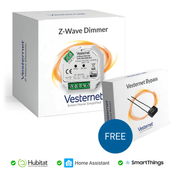
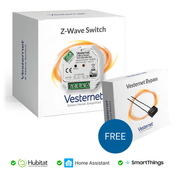
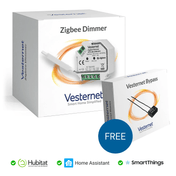
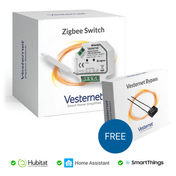
Smart Switches and Dimmers
For many homes, smart switches and dimmers offer better efficiency than smart bulbs:
- Control of existing efficient fixtures without replacing bulbs
- Consistent operation with traditional wall control for all users
- Lower standby power consumption than multiple smart bulbs
- Simplified automation of entire circuits rather than individual lights
Look for switches with energy monitoring capabilities to track consumption and identify further optimization opportunities.
Appliance and Electronics Management
The proliferation of electronics and appliances represents a growing portion of home energy use, but smart technology offers effective management solutions.
Smart Plugs and Power Strips
Smart plugs provide control and monitoring for otherwise conventional devices:
- Scheduled operation for devices that only need to run at certain times
- Remote shutdown of energy-wasting devices when not in use
- Vampire power elimination by truly cutting power to devices on standby
- Usage monitoring to identify energy-hungry appliances
- Automation integration to coordinate with other energy-saving measures
Deploy smart plugs strategically for entertainment systems, office equipment, and small appliances that tend to draw standby power.

Energy Monitoring Systems
Whole-home energy monitoring provides the data needed for informed efficiency decisions:
- Real-time consumption visibility creates awareness of energy use patterns
- Device-level analysis identifies specific improvement opportunities
- Anomaly detection alerts you to unusual consumption
- Goal setting and tracking to measure improvement efforts
- Cost calculation based on actual utility rates
While dedicated energy monitors offer the most comprehensive data, many smart plugs and electrical panels now include monitoring features that can provide similar insights.

Smart Appliance Integration
As major appliances are replaced, consider smart models that offer energy-saving features:
- Off-peak operation for dishwashers, washing machines, and dryers
- Remote diagnostics to ensure efficient operation
- Eco-mode automation based on occupancy or schedules
- Maintenance alerts to maintain peak efficiency
Even without replacing appliances, smart plugs can add scheduling and monitoring capabilities to conventional models.
Automated Window Coverings and Natural Light Optimization
Windows significantly impact heating, cooling, and lighting needs, making their management an important part of energy efficiency.
Smart Blinds and Curtains
Automated window coverings can dramatically reduce heating and cooling requirements:
- Summer cooling by blocking solar gain during peak heat
- Winter insulation by closing at night to retain heat
- Natural light harvesting by opening to reduce artificial lighting needs
- Coordination with HVAC to optimize between natural and mechanical climate control
While motorized blinds represent a larger investment, their potential for energy savings makes them worth considering, particularly for large or difficult-to-access windows.
Window Sensors and Climate Control
Door and window sensors can prevent energy waste through intelligent automation:
- HVAC pausing when windows are open
- Alerting when windows are left open with heating or cooling running
- Seasonal reminders to open windows when outdoor conditions are favorable
- Integration with weather services for proactive management
These simple sensors provide immediate feedback that prevents the common energy waste of simultaneously running air conditioning while windows are open.

Creating Energy-Saving Automations
The real power of smart home technology comes from creating coordinated automations that maximize efficiency without requiring constant attention.
Occupancy-Based Automations
Using presence detection to manage energy use only when needed:
IF last person leaves home
  THEN set thermostat to eco mode
  AND turn off all lights
  AND power down entertainment systems
  AND close blinds based on season
This fundamental automation prevents the most common form of energy waste—running systems in an empty home.
Time-Based Efficiency Routines
Scheduling energy use to align with both usage patterns and utility rate structures:
IF time is 11:00 PM
  THEN set thermostat to sleep temperature
  AND ensure all non-essential devices are powered down
  AND verify all lights are off except night lights
  AND close all blinds for insulation
For homes with time-of-use utility rates, additional automations can shift flexible energy consumption to lower-cost periods.
Weather-Responsive Systems
Using local weather data to optimize energy use:
IF forecast shows temperature above 75°F
  THEN close blinds on south and west windows before peak heat
  AND pre-cool home in morning when electricity rates are lower
These automations leverage predictive strategies rather than just reacting to conditions, significantly improving efficiency.
Vacation and Extended Away Modes
Creating deeper energy-saving states for longer absences:
IF vacation mode activated
  THEN set thermostat to minimum acceptable levels
  AND turn off water heater
  AND ensure all lights and devices are off
  AND randomly activate select lights for security
These comprehensive modes can dramatically reduce energy use during periods of non-occupancy while maintaining home protection.
Measuring and Optimizing Your Energy Efficiency
Implementing technology is only the beginning—ongoing measurement and refinement maximize long-term savings.
Establishing Baselines and Goals
Before making significant changes:
- Collect historical usage data from utility bills or monitoring systems
- Identify seasonal patterns to understand weather-related consumption
- Set realistic reduction targets based on your home's specific characteristics
- Prioritize improvements based on potential impact and investment required
This analytical approach ensures you focus efforts where they'll provide the greatest return.
Continuous Monitoring and Adjustment
Once systems are in place:
- Track actual savings against projections and goals
- Identify remaining inefficiencies through usage patterns
- Refine automation rules based on performance data
- Adjust sensor placement to improve system awareness
- Update schedules seasonally to match changing conditions
Energy efficiency is an ongoing process rather than a one-time project, with continuous improvement opportunities as you learn from system performance.

Cost-Benefit Considerations
Smart home energy efficiency involves initial investment for long-term savings. Consider these factors when planning your approach:
Investment Prioritization
For maximum return:
- Start with no/low-cost optimizations like schedule adjustments and existing device configuration
- Add strategic sensors to enable more intelligent automation
- Upgrade highest-impact systems like thermostats and major energy consumers
- Expand to whole-home coverage as budget allows
This staged approach delivers immediate savings while building toward comprehensive efficiency.
Payback Period Analysis
Different technologies offer varying returns:
- Smart thermostats: Typically 1-2 years
- LED lighting with occupancy control: Usually 1-3 years
- Plug load management: Often under 1 year
- Automated window coverings: Generally 3-5 years
- Whole-home energy monitoring: Typically 2-3 years through identified savings
Focus first on solutions with rapid payback periods, using the savings to fund longer-term investments.
Conclusion: The Sustainable Smart Home
A thoughtfully automated home delivers the perfect combination of comfort, convenience, and efficiency. By implementing the strategies in this guide, you can create a living environment that responds intelligently to your needs while minimizing energy waste and reducing utility costs.
Remember that energy efficiency is a journey rather than a destination—start with the fundamentals, measure your results, and continuously refine your approach. Each improvement not only saves money but also reduces your environmental impact, creating a home that's both smarter and more sustainable.
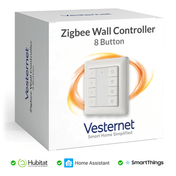
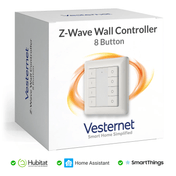
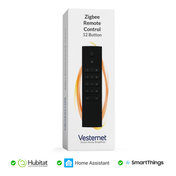
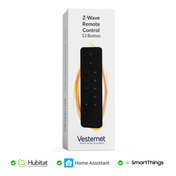
To begin your energy efficiency journey, explore Vesternet's collection of energy-saving devices including controllers, sensors, and automation tools that form the foundation of an efficient smart home ecosystem.