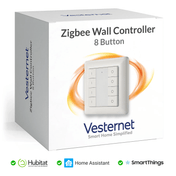
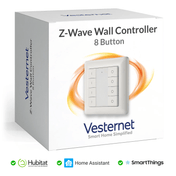
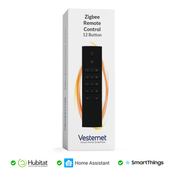
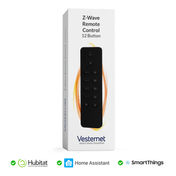
Modern homeowners increasingly seek intelligent solutions that combine convenience, energy efficiency, and enhanced living comfort. Smart window automation has emerged as a cornerstone technology, addressing growing demands for both automated convenience and substantial energy savings. As utility costs continue to rise and environmental consciousness grows, motorised window coverings offer an elegant solution that transforms how we interact with natural light and climate control.
Smart blind automation represents a comprehensive advancement in home technology, providing seamless remote control capabilities, sophisticated energy management, and enhanced security features. Whether you're considering remote control kitchen blinds for precise cooking environment control or smart conservatory blinds to manage temperature in glass-heavy spaces, these systems integrate effortlessly with existing home automation platforms to create truly intelligent living spaces.
What you'll discover in this comprehensive guide:
- Technology fundamentals and communication protocols for reliable operation
- Strategic planning approaches for assessing your home's automation potential
- Professional installation techniques and configuration best practices
- Advanced energy management integration with climate control systems
Understanding Smart Blind Automation Fundamentals
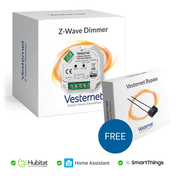
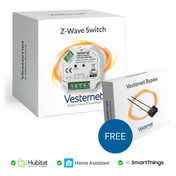
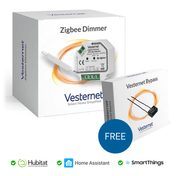
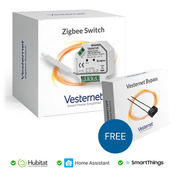
Smart blind automation relies on sophisticated motor controllers that transform traditional window treatments into responsive, intelligent systems. These motorised window coverings utilise wireless communication technologies, primarily Z-Wave and Zigbee protocols, to enable seamless integration with broader home automation networks. The technology allows precise position control, scheduled operations, and real-time adjustments based on environmental conditions or user preferences.
Core automation technologies and their applications:
- Z-Wave systems offering robust mesh networking for larger installations
- Zigbee technology providing energy-efficient communication and battery operation
- Integrated sensors enabling automatic response to light levels and temperature changes
- Cloud connectivity allowing remote access from anywhere with internet connection
Modern blind automation systems work as intelligent components within comprehensive smart home ecosystems. They communicate with smart thermostats, lighting systems, and security platforms to create coordinated responses that optimise comfort, energy efficiency, and convenience throughout your living space.

Planning Your Smart Blind System: Assessment and Design
Successful blind automation systems begin with thorough assessment of your home's specific requirements and infrastructure capabilities. Installation planning requires careful evaluation of window types, existing electrical systems, and integration goals to ensure optimal performance and long-term reliability. Each room presents unique considerations, from kitchen environments requiring frequent adjustments to conservatories needing sophisticated temperature management.
Professional planning considers both immediate automation goals and future expansion possibilities. Smart conservatory blinds, for example, require different motor specifications and control strategies compared to bedroom installations, as conservatories experience more extreme temperature variations and benefit from automated responses to changing weather conditions.
Essential assessment considerations:
- Window measurements and weight calculations for appropriate motor sizing
- Existing electrical infrastructure and power supply requirements
- Wireless signal strength and potential interference sources
- Integration requirements with current smart home platforms
Motor Controllers and Hardware Components
Motor controller selection forms the foundation of reliable blind automation systems, with different technologies suited to various window types and operational requirements. These sophisticated devices provide precise position control, torque management, and communication capabilities that enable seamless integration with smart home networks. Quality motor controllers from established manufacturers ensure consistent performance and longevity in demanding residential environments.
Motor controller types and applications:
- Tubular motors for roller blinds and awnings requiring compact installation
- Chain and cord motors for traditional vertical and horizontal blinds
- Retrofittable controllers enabling automation of existing window treatments
- Battery-powered units providing wireless operation without electrical modifications
Hardware selection must account for specific installation requirements, including motor torque ratings, power consumption, and environmental factors. Remote control kitchen blinds, for instance, benefit from controllers with enhanced moisture resistance and easy-clean surfaces, while conservatory installations require motors capable of handling thermal expansion and contraction cycles.

Communication Protocols and Gateway Integration
Wireless communication protocols enable sophisticated coordination between blind automation systems and broader smart home networks. Z-Wave and Zigbee technologies create reliable mesh networks that ensure consistent communication even in larger homes or challenging radio frequency environments. These protocols support two-way communication, allowing real-time status feedback and precise control responses.
Smart home gateways serve as central coordination points, managing communication between blind controllers, environmental sensors, and user interfaces. Modern gateways support multiple protocols simultaneously, enabling integration of various manufacturer products within unified automation systems that respond intelligently to changing conditions and user preferences.
Protocol advantages and implementation considerations:
- Mesh networking providing redundant communication paths for reliability
- Low power consumption extending battery life in wireless installations
- Encryption and security features protecting against unauthorised access
- Scalability supporting expansion from single rooms to whole-house systems

Installation Process: Step-by-Step Implementation
Professional installation begins with comprehensive safety assessment and preparation of necessary tools and components. Electrical work should always comply with local building codes and regulations, with particular attention to moisture protection in kitchen and bathroom installations. Proper installation techniques ensure reliable long-term operation and minimise maintenance requirements throughout the system's operational life.
Installation safety and preparation steps:
- Power isolation and electrical safety verification before beginning work
- Precise measurement confirmation and mounting point identification
- Motor controller positioning for optimal wireless signal strength
- Cable routing planning to maintain aesthetics and functionality
Configuration and testing phases verify proper operation and integration with existing smart home systems. This includes limit setting, speed adjustment, and communication verification with gateway devices. Thorough testing ensures reliable operation and identifies any adjustments needed for optimal performance in specific environmental conditions.
Remote Control and Scene Configuration
Advanced scene configuration transforms blind automation systems from simple remote control devices into intelligent environmental management tools. These programmable scenes coordinate blind positions with lighting, climate control, and security systems to create optimal conditions for different activities and times of day. Remote controllers for kitchen blinds, for example, can automatically adjust during cooking times to manage steam and odours while maintaining natural light levels.
Voice control integration adds another layer of convenience, allowing hands-free operation when manual controls aren't practical. Modern systems support multiple voice assistants and can respond to natural language commands that consider context and user preferences for intuitive operation.
Scene configuration possibilities:
- Morning routines gradually opening blinds to complement natural circadian rhythms
- Privacy modes automatically closing blinds when security systems detect absence
- Energy optimisation scenes coordinating with heating and cooling systems
- Entertainment modes creating ideal lighting conditions for different media consumption
Energy Management and Climate Integration
Smart blind systems contribute significantly to household energy efficiency through intelligent coordination with heating, ventilation, and air conditioning systems. By automatically adjusting window coverings based on solar heat gain, indoor temperature, and weather forecasts, these systems reduce energy consumption while maintaining comfortable indoor environments. Smart conservatory blinds excel in this application, managing the intense heat gain common in glass-heavy spaces.
Energy optimisation strategies:
- Solar heat gain management reducing cooling costs during summer months
- Winter heat retention maximising natural warming during cold periods
- Automated scheduling aligning blind positions with energy tariff periods
- Integration with renewable energy systems optimising self-consumption rates
Climate integration extends beyond simple temperature management to include humidity control, air quality improvement, and natural ventilation optimisation. Advanced systems learn from usage patterns and environmental data to predict optimal blind positions, creating consistently comfortable spaces while minimising energy consumption and environmental impact.

Troubleshooting and Maintenance Best Practices
Preventive maintenance ensures long-term reliability and optimal performance of blind automation systems. Regular inspection of motor controllers, cleaning of sensors, and verification of wireless communication strength help identify potential issues before they impact system operation. Most modern systems include diagnostic capabilities that alert users to maintenance requirements or operational concerns.
Common connectivity issues often relate to wireless signal interference or network configuration changes. Understanding these potential challenges and their solutions enables quick resolution and maintains system reliability. Documentation of system configuration and regular backup of automation settings protects against data loss and simplifies troubleshooting processes.
Routine maintenance schedule:
- Monthly battery level checks for wireless controllers and sensors
- Quarterly cleaning of motor units and mounting hardware
- Annual wireless network optimisation and signal strength verification
- Seasonal adjustment of automation schedules for changing daylight patterns
Conclusion
Smart blind automation represents a transformative investment in home comfort, energy efficiency, and modern convenience. From remote control kitchen blinds that enhance culinary environments to smart conservatory blinds that manage challenging thermal conditions, these systems deliver measurable benefits through intelligent environmental management. Proper planning, quality component selection, and professional installation create lasting value that evolves with changing needs and technological advances.
Starting your automation journey requires careful assessment of current conditions and gradual implementation of quality components from reputable manufacturers. Whether working with the smart blind company specialists or implementing systems independently, focusing on reliable communication protocols and energy management integration ensures maximum return on investment and long-term satisfaction with automated window treatments.
Ready to explore smart blind automation for your home? Browse motor controllers, wireless communication devices, and energy management solutions designed to create intelligent, efficient living spaces. Expert guidance remains available throughout your automation journey, ensuring optimal system design and implementation that maximises comfort, convenience, and energy savings for years to come.