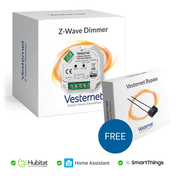
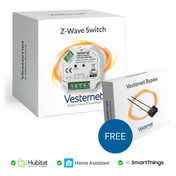
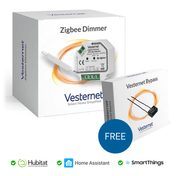
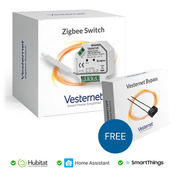
The rising cost of electricity has sparked a surge in demand for intelligent power control and energy monitoring solutions. Homeowners are increasingly seeking ways to reduce energy bills whilst gaining granular control over high-consumption appliances like water heaters, electric vehicle chargers, and pool pumps. A reliable smart meter monitor or energy monitor can transform how you understand and manage household electricity usage.
This detailed comparison between Vesternet's Z-Wave and Zigbee high load switches will guide your decision-making process. We'll explore protocol compatibility, advanced features, and determine which ecosystem aligns best with your smart home infrastructure and monitoring requirements.
Drawing on Vesternet's extensive expertise in both Z-Wave and Zigbee technologies, this analysis leverages real-world testing data and custom-built driver development. Our ongoing platform support ensures you'll receive accurate, practical insights for your power monitor selection.

Understanding Z-Wave Power Control Technology
The Vesternet Z-Wave High Load Switch represents cutting-edge smart home technology, engineered specifically for controlling high-power appliances whilst providing comprehensive energy monitoring capabilities. This robust device functions as both a smart relay and an advanced power monitor, supporting loads up to 16A for resistive applications and 5A for capacitive or inductive loads like LED lighting systems.
Z-Wave Plus S2 Security Features
- Advanced encryption protocols protecting network communications
- Backwards compatibility with older Z-Wave security schemes
- Enhanced network range and improved signal reliability
- Seamless integration with leading Z-Wave controllers
The device's sophisticated monitoring system tracks power, voltage, current, and energy consumption in real-time, making it an ideal commercial energy monitor for professional applications or detailed residential analysis. Its configurable power failure state ensures critical appliances like refrigeration units automatically restore to desired operation modes following power interruptions.

Exploring Zigbee Smart Switching Solutions
Vesternet's Zigbee High Load Switch delivers identical power handling capabilities with the added benefit of standalone operation functionality. This flexibility allows the device to function independently without requiring a central hub for basic switching operations, making it perfect for simplified installations or gradual smart home expansion strategies.
Zigbee 3.0 Protocol Advantages
- Support for Zigbee TouchLink commissioning
- Find and Bind automation capabilities
- Zigbee Green Power compatibility for energy-efficient operation
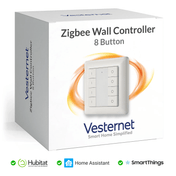
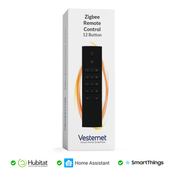
- Direct pairing with remote controls and wall controllers
The Zigbee variant maintains the same comprehensive energy monitoring features, providing detailed insights into appliance consumption patterns. This makes it an excellent choice for users seeking a versatile smart meter monitor that can evolve with their automation needs whilst supporting both standalone and networked operation modes.
Protocol Wars: Z-Wave Plus S2 vs Zigbee 3.0 Capabilities
The fundamental differences between these protocols significantly impact user experience and system integration possibilities. Z-Wave Plus S2 technology offers broader controller compatibility, supporting an extensive range of platforms including Hubitat, Home Assistant, SmartThings, and numerous professional automation systems like Fibaro and HomeSeer controllers.

Switch Input Compatibility Differences
- Z-Wave model: Supports both momentary and toggle switch inputs
- Zigbee model: Limited to momentary switch inputs only
- Z-Wave flexibility allows existing toggle switches to remain functional
- Zigbee approach promotes modern momentary switch adoption
Security implementation varies considerably between protocols. Z-Wave Plus S2 provides military-grade AES-128 encryption with sophisticated key management, whilst Zigbee 3.0 employs different security mechanisms suited to its mesh networking approach. Both protocols offer robust protection for your energy monitor data and control commands.
Hub Requirements and Ecosystem Integration
Z-Wave devices require a dedicated Z-Wave controller or hub, creating dependency on centralised infrastructure but ensuring consistent performance across all network devices. The extensive controller compatibility list includes professional-grade systems like Fibaro HC3, HomeSeer HometTroller series, and popular consumer platforms.
Zigbee's standalone capability eliminates hub requirements for basic switching operations, though advanced energy monitoring features and automation typically benefit from hub integration. This flexibility proves particularly valuable for phased installations or temporary setups where immediate automation isn't essential.
Real-World Performance: Range, Reliability and Response Times
Mesh networking performance differs substantially between Z-Wave and Zigbee implementations, directly affecting commercial energy monitor reliability and responsiveness. Z-Wave operates in the 868.42MHz frequency band in Europe, providing excellent penetration through building materials and reduced interference from common household devices.
Range and Signal Characteristics
- Z-Wave: Superior building penetration, less interference from WiFi and Bluetooth
- Zigbee: Higher frequency (2.4GHz) with greater potential for interference
- Both protocols support mesh networking for extended coverage
- Z-Wave typically achieves 30-40m indoor range versus Zigbee's 10-20m

Response times for high-load switching vary based on network topology and mesh density. Z-Wave Plus S2 devices typically achieve sub-second response times for local commands, whilst Zigbee performance depends heavily on coordinator quality and network congestion. Both protocols handle energy monitoring data transmission efficiently, updating power consumption readings at configurable intervals.
Interference Resistance and Network Stability
Z-Wave's dedicated frequency allocation provides inherent immunity to WiFi interference, whilst Zigbee shares the congested 2.4GHz band with numerous other devices. This fundamental difference significantly impacts power monitor reliability in environments with heavy wireless traffic, making Z-Wave preferable for mission-critical applications.
Z-Wave Advantages and Limitations
The Z-Wave High Load Switch excels in environments requiring robust compatibility and maximum security. Its support for both momentary and toggle switch inputs provides installation flexibility, allowing integration with existing electrical infrastructure without rewiring requirements.
Key Z-Wave Strengths
- Extensive controller compatibility across consumer and professional platforms
- Superior signal range and building penetration characteristics
- Mature ecosystem with established interoperability standards
- Enhanced security features with Z-Wave Plus S2 certification
However, Z-Wave implementation requires dedicated hub infrastructure and operates within a smaller ecosystem compared to Zigbee's broader adoption. The protocol's licensing model can limit device variety and potentially increase costs, though reliability benefits often justify this trade-off for commercial energy monitor applications.
Performance limitations primarily relate to network size constraints, with Z-Wave networks supporting fewer simultaneous devices compared to Zigbee alternatives. This consideration becomes relevant for large-scale installations requiring extensive energy monitoring coverage across multiple circuits or zones.
Zigbee Benefits and Drawbacks
Zigbee's primary advantage lies in operational flexibility, particularly the standalone functionality that eliminates hub dependencies for basic switching operations. This capability proves invaluable for rental properties, temporary installations, or gradual smart home adoption strategies.
Zigbee Protocol Advantages
- No hub required for basic switching and direct device pairing
- Broader manufacturer support and device ecosystem
- Modern protocol features including TouchLink commissioning
- Lower barriers to entry for smart home beginners
The technology's limitations centre around frequency band congestion and reduced compatibility with professional automation systems. Zigbee's 2.4GHz operation can suffer interference in WiFi-dense environments, potentially affecting smart meter monitor reliability during peak usage periods.
Hub compatibility remains more limited compared to Z-Wave alternatives, with fewer professional-grade controllers supporting Zigbee integration. This constraint impacts scalability for commercial installations requiring sophisticated energy monitoring and control capabilities across multiple zones or buildings.
Choosing Your Protocol: Hub Requirements and Ecosystem Preferences
Your existing smart home infrastructure fundamentally determines which protocol delivers optimal performance and integration benefits. Users with established Z-Wave networks benefit from seamless compatibility and enhanced security features, whilst those prioritising flexibility may prefer Zigbee's standalone capabilities.
Z-Wave Ideal Scenarios
- Existing Z-Wave automation system requiring energy monitoring expansion
- Professional installations demanding maximum security and reliability
- Environments with heavy WiFi congestion affecting 2.4GHz devices
- Applications requiring toggle switch compatibility
Budget considerations extend beyond initial device costs to include hub requirements and long-term expansion possibilities. Z-Wave users typically invest in dedicated controllers offering comprehensive automation features, whilst Zigbee implementations can begin with basic switching and evolve gradually through hub addition.
Zigbee Optimal Applications
- Standalone installations not requiring central automation
- Phased smart home development with future expansion flexibility
- Integration with existing Zigbee networks and devices
- Modern momentary switch installations and touchscreen controls
Future expansion planning should consider protocol ecosystem maturity and manufacturer support longevity. Z-Wave's established standards provide confidence in long-term compatibility, whilst Zigbee's broader adoption suggests continued innovation and device variety for comprehensive energy monitor solutions.
Professional installers often prefer Z-Wave for commercial energy monitor applications due to superior range characteristics and interference immunity, whilst DIY enthusiasts may appreciate Zigbee's flexibility and lower entry barriers for experimental installations.
Making Your Smart Switch Decision
Both switches deliver identical load handling capabilities and comprehensive energy monitoring features, making protocol preference and existing ecosystem compatibility the primary deciding factors. Whether you choose Z-Wave or Zigbee, you'll gain access to real-time power consumption data, voltage monitoring, and current measurement capabilities essential for effective energy management.
Z-Wave users particularly benefit from broader controller compatibility, enhanced security implementations, and superior signal characteristics in challenging RF environments. The toggle switch support provides additional installation flexibility, whilst the mature ecosystem ensures long-term compatibility and professional-grade automation possibilities.
Zigbee enthusiasts gain operational flexibility through standalone functionality, modern protocol features, and the ability to start simple whilst expanding capabilities over time. The TouchLink commissioning and Find and Bind features streamline installation processes, making it ideal for users seeking gradual smart home adoption.
Consider your current hub configuration, future expansion requirements, and switch input preferences when making your selection. Both devices provide excellent foundations for intelligent power control and comprehensive energy monitoring. Explore both options on Vesternet's website to compare detailed specifications and discover which smart meter monitor solution perfectly matches your automation goals.