The landscape of home entertainment and automation is rapidly evolving, with households increasingly demanding hands-free control solutions that eliminate the need for traditional remote controls and manual switches. Modern families expect seamless interaction with their technology, whether adjusting lighting after settling in for the evening or controlling entertainment systems without searching for multiple remotes. This shift towards voice-activated technology addresses not only convenience but also crucial accessibility needs, making smart homes more inclusive for users with mobility challenges or visual impairments.
Voice command technology represents the cornerstone of contemporary smart home automation, transforming how we interact with our living spaces through intuitive spoken instructions. From adjusting smart dimmers and activating lighting scenes to controlling motorized blinds and entertainment systems, voice control creates a unified ecosystem where all devices respond naturally to your commands. Advanced systems now integrate seamlessly with gateway hubs and wall controllers, enabling comprehensive whole-home automation that learns and adapts to your daily routines.
This comprehensive guide covers everything from fundamental voice recognition principles to sophisticated automation scenarios, ensuring you understand both the underlying technology and practical implementation strategies. We'll explore essential hardware components, planning methodologies, and step-by-step integration processes that will help you build a robust voice-controlled smart home ecosystem tailored to your specific needs and accessibility requirements.
Understanding Voice Command Technology Fundamentals
Voice command technology operates through sophisticated algorithms that convert spoken language into digital commands, enabling seamless communication between users and smart home devices. Modern voice recognition systems utilise natural language processing to interpret context, tone, and intent, allowing for more conversational interactions rather than rigid command structures. These systems integrate with gateway hubs to coordinate responses across multiple devices, creating a centralised intelligence that understands your home's layout and device capabilities.

Essential Smart Home Components for Voice Control
Building a reliable voice-controlled smart home requires careful selection of compatible hardware components that work harmoniously together. Gateway hubs serve as the central nervous system, coordinating communication between voice assistants and various smart devices throughout your home. These hubs translate voice commands into device-specific protocols, ensuring your spoken instructions reach the intended targets whether they're Z-Wave dimmers, Zigbee sensors, or WiFi-enabled appliances.

Planning Your Voice-Controlled Smart Home Setup
Strategic planning forms the foundation of successful voice command implementation, requiring careful consideration of room layouts, device placement, and network infrastructure. Begin by mapping your home's zones and identifying high-priority areas where voice control would provide the greatest benefit, such as kitchens where hands are often occupied or bedrooms where bedtime routines require minimal lighting adjustments. This room-by-room approach ensures your system grows organically whilst maintaining optimal performance and user experience.

Implementing Voice Control for Lighting and Dimmers
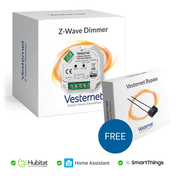
Smart lighting represents one of the most immediately rewarding applications of voice command technology, offering intuitive control over brightness, colour, and scheduling through simple spoken instructions. Modern smart dimmers integrate seamlessly with voice assistants, enabling natural commands like "dim the living room lights to 30%" or "set bedroom lights for reading." These systems learn from your preferences, suggesting optimal lighting scenarios based on time of day, occupancy patterns, and energy efficiency goals.
Voice-Controlled Lighting Implementation Steps:
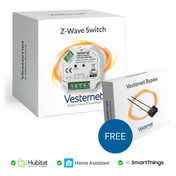
- Install compatible smart dimmers and switches throughout target areas
- Configure device naming conventions for intuitive voice commands
- Create custom lighting scenes for common activities and moods
- Programme automated routines that respond to voice triggers and schedules
Scene creation transforms basic on-off functionality into sophisticated lighting orchestration, allowing single voice commands to adjust multiple fixtures simultaneously. Advanced implementations can coordinate lighting with other systems, such as automatically dimming ambient lights when entertainment systems activate or gradually increasing morning illumination whilst playing your preferred wake-up playlist through integrated speakers.
Advanced Voice Automation for Motorized Systems
Motorized devices offer exceptional opportunities for voice-controlled automation, transforming manual operations into effortless spoken commands whilst enhancing both convenience and energy efficiency. Smart motorized blinds, curtains, and garage doors respond naturally to voice instructions, enabling scheduling that coordinates with sunrise patterns, security routines, or climate control optimisation. These systems integrate with broader home automation strategies, creating responsive environments that adapt to weather conditions, occupancy, and personal preferences.
Motorized System Voice Integration Applications:
- Automated window treatments that respond to voice commands and environmental triggers
- Garage door systems with voice activation and security integration features
- Retractable awnings and outdoor shade solutions for weather-responsive control
- Smart locks and access control systems with voice authentication capabilities
Security integration adds sophisticated layers to motorized system automation, enabling voice commands that simultaneously adjust multiple protective elements throughout your home. For example, evening security routines can close all motorized blinds, lock smart door systems, and activate perimeter lighting through single voice instructions, whilst morning routines gradually open window treatments and deactivate overnight security protocols based on your schedule.
Multi-Room Voice Command Strategies
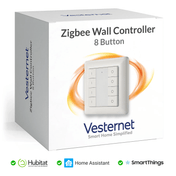
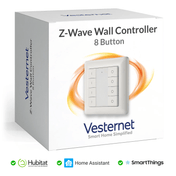
Creating seamless voice control across multiple rooms requires strategic placement of voice assistants, wall controllers, and network infrastructure that ensures consistent performance throughout your home. Modern gateway systems enable centralised coordination that allows commands issued in one room to affect devices in another, such as turning off all lights from your bedroom or adjusting the entire home's temperature before leaving. This whole-home integration transforms individual smart devices into a cohesive automation ecosystem.

Troubleshooting Voice Command Issues
Voice command systems occasionally encounter recognition difficulties, connectivity problems, or response delays that can disrupt the seamless automation experience. Common issues include background noise interference, network congestion, and command conflicts between multiple voice assistants or overlapping device names. Systematic troubleshooting approaches help identify root causes whilst implementing preventive measures that maintain consistent performance over time.
Common Voice Command Problems and Solutions:
- Voice recognition accuracy issues resolved through microphone positioning and noise reduction
- Network connectivity problems addressed via mesh router upgrades and signal optimisation
- Command conflicts eliminated through careful device naming and assistant configuration
- Response delays minimised through gateway hub optimisation and cloud service management
Regular system maintenance ensures optimal performance by updating device firmware, cleaning voice recognition databases, and optimising network configurations for smart home traffic. Monitor response patterns to identify devices that consistently cause delays or recognition errors, and consider repositioning voice assistants or upgrading network infrastructure in areas with persistent connectivity challenges. Entertainment system integration, such as Sky Q voice commands, may require specific troubleshooting approaches that address both network streaming and voice processing simultaneously.
Advanced Voice Control Best Practices
Optimising voice command systems for long-term reliability and user satisfaction requires implementing best practices that address privacy, customisation, and future expansion capabilities. Create custom voice commands that reflect natural speech patterns whilst avoiding conflicts with existing system vocabularies, and regularly review privacy settings to ensure voice data handling aligns with your comfort level. Advanced users can implement multiple voice assistant platforms simultaneously, creating redundant systems that enhance reliability whilst expanding functionality options.
Expert Optimisation Strategies:
- Custom command creation that reflects household terminology and speech patterns
- Privacy configuration management for optimal security and data protection
- Cross-platform integration techniques for enhanced functionality and reliability
- Future-proofing approaches that accommodate emerging technologies and standards
Integration with multiple platforms creates opportunities for sophisticated automation scenarios that leverage each system's strengths whilst providing backup functionality during service interruptions. Consider how your voice control strategy will evolve with emerging technologies, ensuring current investments remain compatible with future innovations whilst maintaining the flexibility to incorporate new devices and capabilities as they become available.
Conclusion
Voice command technology represents a transformative approach to smart home automation, offering unprecedented accessibility and convenience that makes advanced home control available to users regardless of technical expertise or physical capabilities. The seamless integration possibilities across lighting systems, motorized devices, and entertainment platforms create comprehensive automation ecosystems that adapt naturally to daily routines whilst enhancing both comfort and energy efficiency throughout your living space.
Beginning your voice-controlled smart home journey with foundational components like gateway hubs and wall controllers provides a solid platform for gradual expansion whilst ensuring immediate benefits in areas that matter most to your household. Focus initially on high-impact applications such as lighting control and entertainment integration, where voice commands deliver obvious convenience improvements, before expanding into more sophisticated automation scenarios that coordinate multiple systems and environmental responses.
Ready to explore voice-controlled smart home solutions? Browse Vesternet's extensive range of gateway hubs, wall controllers, remote controllers, and smart switches to begin building your voice-activated smart home ecosystem, with expert guidance available to help you select the perfect components for your specific needs and accessibility requirements.