Voice control has rapidly evolved from a novelty feature to an essential expectation in modern smart homes. Many homeowners find themselves frustrated when their carefully selected devices fail to respond reliably to voice commands, creating a disconnect between their automation aspirations and daily reality. The current trend toward hands-free home management has highlighted the critical importance of proper device selection and system integration for achieving seamless voice activated functionality.
Voice-compatible smart home ecosystems offer transformative benefits when implemented correctly, delivering unprecedented convenience through hands-free operation, enhanced accessibility for users with mobility challenges, improved energy efficiency through optimised automation routines, and streamlined daily schedules that adapt to natural speech patterns. The key lies in understanding device compatibility requirements and following systematic configuration approaches that ensure reliable voice command recognition.
This comprehensive guide will equip you with essential knowledge for building a truly responsive voice controlled smart home. You'll discover how to identify compatible devices across major platforms, understand the technical requirements for different voice assistants, implement proper setup procedures that eliminate common connectivity issues, and develop ongoing optimisation strategies that maintain reliable voice control performance over time.
Understanding Voice Control Technology in Smart Homes
Voice assistants function as interpreters between human speech and smart device commands, processing natural language requests and translating them into specific device instructions. The three dominant platforms—Amazon Alexa, Google Assistant, and Apple's Siri—each utilise different communication methods and compatibility requirements, making platform selection a crucial first step in voice activated home planning.
Core communication protocols for voice control:
- Z-Wave networks providing robust mesh connectivity with strong encryption
- Zigbee protocols offering extensive device compatibility and self-healing networks
- Wi-Fi direct connections enabling immediate setup but requiring strong network infrastructure
- Hub-based integration allowing centralised control and improved response times
Smart home hubs serve as essential bridges in voice control systems, managing communication between different device protocols and voice platforms whilst maintaining local processing capabilities. Quality hubs reduce command latency, improve system reliability, and provide backup functionality when internet connectivity becomes intermittent, ensuring consistent voice command responsiveness.

Essential Device Categories for Voice-Activated Homes
Certain smart device categories provide exceptional value when integrated with voice control systems, offering natural interaction patterns that align with daily routines. Lighting controls represent the most intuitive starting point, allowing users to adjust brightness, colour temperature, and switching through simple voice commands that feel remarkably natural in practice.
Priority device categories for voice integration:
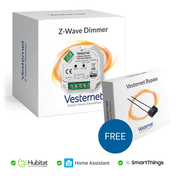
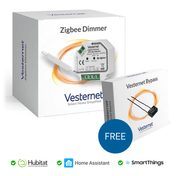
- Smart lighting systems including dimmers, switches, and colour-changing bulbs
- Heating controls encompassing thermostats, radiator valves, and zone management
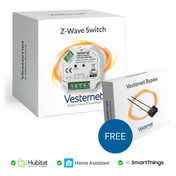
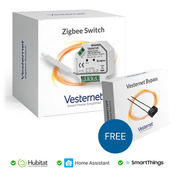
- Smart switches and plugs for appliance control and energy monitoring
- Motor controllers for automated blinds, garage doors, and window treatments
Each category offers distinct advantages in voice activated environments. Heating systems respond particularly well to voice commands during seasonal transitions, smart switches eliminate the need to locate specific controls in darkness, and motor controllers provide accessibility benefits for users managing multiple window treatments throughout larger homes.

Smart Home Hub Requirements and Gateway Selection
Selecting an appropriate gateway or hub directly impacts voice control performance, device compatibility, and system expandability. Multi-protocol hubs supporting both Z-Wave and Zigbee networks provide maximum flexibility for device selection whilst ensuring consistent voice command processing regardless of individual device communication methods.
Essential hub features for voice control:
- Native voice assistant integration with major platforms
- Local processing capabilities reducing internet dependency
- Strong encryption and security protocols for voice data protection
- Expandable storage for complex automation rules and voice routines
Cloud connectivity requirements vary between different voice platforms, with some offering enhanced features through online processing whilst others prioritise local control for privacy and reliability. Understanding these requirements helps homeowners select hubs that balance functionality, security, and response times according to their specific voice control priorities and network infrastructure capabilities.

Device Compatibility Assessment and Selection Criteria
Evaluating devices for voice control compatibility requires systematic assessment of certification standards, protocol support, and ecosystem integration capabilities. Official platform certifications, such as "Works with Alexa" or "Works with Google," provide initial compatibility assurance, though deeper integration often depends on specific device features and manufacturer implementation quality.
Critical compatibility factors to evaluate:
- Official voice platform certifications and integration depth
- Communication protocol support matching your existing network
- Brand ecosystem compatibility for seamless multi-device control
- Firmware update frequency ensuring ongoing voice command improvements
Brand ecosystem considerations become increasingly important as systems expand, with manufacturers like Aeotec, Fibaro, and Qubino offering comprehensive device ranges that integrate seamlessly through unified voice commands. Avoiding common compatibility pitfalls requires understanding protocol limitations, checking regional frequency requirements, and verifying that chosen devices support the specific voice command features your household requires.
Voice Assistant Setup and Configuration Guide
Connecting devices to voice platforms follows specific procedures that vary between assistants but generally involve account linking, device discovery, and command customisation processes. Amazon Alexa typically requires enabling manufacturer skills before device discovery, whilst Google Assistant often integrates devices directly through the Google Home application with streamlined setup workflows.
Essential setup steps for voice integration:
- Account linking between device manufacturer apps and voice platforms
- Network-based device discovery ensuring proper hub communication
- Custom voice command creation for personalised device control
- Device naming optimisation for improved speech recognition accuracy
Device naming conventions significantly impact voice command reliability, with clear, distinctive names avoiding confusion between similar devices or rooms. Creating comprehensive voice routines allows multiple device actions through single commands, transforming basic voice control into sophisticated automation that responds naturally to household activity patterns and daily schedules.

Advanced Voice Control Optimization and Automation
Complex voice routines enable sophisticated automation scenarios that respond to context-aware commands and household patterns. Scene integration allows voice activated control of multiple devices simultaneously, creating ambience and functionality adjustments through natural language requests that adapt lighting, heating, and entertainment systems cohesively.
Advanced voice control capabilities:
- Conditional automation triggered by voice commands and environmental factors
- Room-specific control systems preventing cross-room command interference
- Multi-user voice recognition enabling personalised responses and preferences
- Time-based routines combining voice activation with scheduled automation
Voice activated scene control transforms entire living spaces through single commands, coordinating lighting intensity, heating temperatures, window treatments, and entertainment systems according to predefined preferences. Multi-user recognition enables household members to access personalised settings and preferences, ensuring voice commands adapt appropriately to individual schedules, comfort preferences, and security access levels.
Troubleshooting Common Voice Control Issues
Voice command recognition problems typically stem from network connectivity issues, device configuration errors, or voice assistant processing limitations. Systematic troubleshooting approaches help identify whether problems originate from individual devices, hub communication, network infrastructure, or voice platform integration, enabling targeted solutions that restore reliable functionality.
Common voice control problems and solutions:
- Unresponsive devices requiring network reconnection or hub restart procedures
- Command misinterpretation resolved through device renaming and phrase adjustment
- Connectivity delays addressed via network optimisation and hub positioning
- Integration failures requiring account relinking and skill re-enabling
Network optimisation plays a crucial role in voice control reliability, with strong Wi-Fi coverage, appropriate bandwidth allocation, and minimal interference ensuring consistent communication between voice assistants, hubs, and connected devices. Regular maintenance routines including firmware updates, network speed tests, and device response verification help identify emerging issues before they impact daily voice command functionality.
Best Practices for Long-Term Voice Control Success
Maintaining reliable voice control systems requires ongoing attention to device naming consistency, network performance optimisation, and regular system updates that incorporate new features and security improvements. Establishing clear naming conventions across all devices prevents confusion as systems expand and ensures voice commands remain intuitive for all household members.
Long-term maintenance strategies:
- Consistent device naming conventions using room-based identification
- Regular network performance monitoring and optimisation
- Systematic firmware and platform updates maintaining compatibility
- Gradual system expansion testing each addition for voice integration
Strategic system expansion involves testing new device categories individually before implementing comprehensive changes, ensuring voice command performance remains consistent as automation capabilities grow. Professional guidance during complex integrations helps avoid configuration conflicts and compatibility issues that might compromise overall system reliability and user experience.
Conclusion
Creating seamless voice activated smart home experiences depends fundamentally on proper device selection, comprehensive hub configuration, and methodical voice assistant setup that prioritises compatibility and reliability. When implemented correctly, these systems deliver transformative benefits including enhanced accessibility for users with varying mobility needs, significant energy efficiency improvements through optimised automation routines, and remarkable daily convenience that adapts naturally to household rhythms and preferences.
Beginning your voice control journey with core device categories such as lighting controls and heating systems provides an excellent foundation for understanding system capabilities whilst delivering immediate practical benefits. Gradual expansion allows you to test integration approaches, refine voice command preferences, and develop confidence with more complex automation scenarios without overwhelming your initial setup or compromising system reliability.
Vesternet offers an extensive range of voice-compatible smart devices specifically selected for reliability, compatibility, and performance in voice activated environments. Our expert support team provides personalised guidance throughout your smart home journey, helping you navigate device selection, configuration challenges, and system optimisation. Explore our lighting controls, heating solutions, and smart plug options to discover how professional-grade voice control can transform your daily home experience with confidence and reliability.