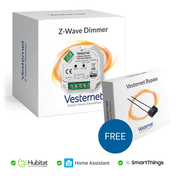
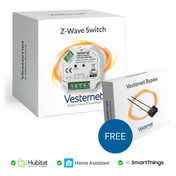
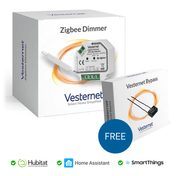
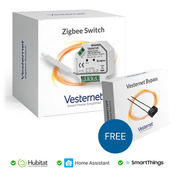
Rising energy costs and environmental concerns have made real-time energy monitoring essential for modern homeowners. Traditional electricity metres provide limited insights, leaving households unable to identify energy-wasting devices or optimise consumption patterns. Without proper monitoring, families unknowingly overspend on electricity bills while missing opportunities to reduce their carbon footprint.
Integrated energy monitoring devices with Home Assistant compatibility offer a comprehensive solution for data-driven energy management. These smart switches, plugs, and monitoring systems provide real-time consumption data, remote control capabilities, and automated power management that can reduce electricity costs by 15-30%. With seamless integration into your existing smart home ecosystem, you gain actionable insights and complete control over your home's energy usage.
This guide explores 12 essential factors to consider when choosing energy monitoring devices for Home Assistant integration. We'll cover technical specifications, installation requirements, monitoring capabilities, and smart home ecosystem compatibility to help you build an efficient, responsive energy management system.
1. Real-Time Power Metering Accuracy and Data Granularity
The foundation of any effective real time energy monitoring system lies in accurate, granular power measurements. Modern energy monitoring devices must provide precise readings across multiple electrical parameters to deliver actionable insights for optimisation decisions.
Essential metering capabilities include:
- Instantaneous power consumption measurements with sub-second updates
- Voltage and current readings for comprehensive electrical analysis
- Power factor calculations for identifying inefficient appliances
- Cumulative energy consumption tracking for long-term analysis
High-quality devices update consumption data every few seconds rather than minutes, enabling immediate detection of power fluctuations and equipment malfunctions. This granular data allows Home Assistant automations to respond instantly to changing conditions, automatically shutting down non-essential devices when consumption peaks or alerting you to unusual energy patterns.

2. Z-Wave Plus S2 Security and Network Integration
Security and reliable communication form the backbone of professional energy monitoring installations. Z-Wave Plus S2 encryption ensures that your energy data remains secure while providing robust mesh networking capabilities that extend throughout your property.
Advanced security protocols protect against unauthorised access to your energy consumption data and prevent malicious interference with your connected devices. The mesh networking capabilities of Z-Wave Plus devices create redundant communication paths, ensuring reliable data transmission even in challenging RF environments.
Network reliability features:
- End-to-end encryption protecting energy consumption data
- Self-healing mesh network topology for improved reliability
- Extended range capabilities reaching up to 100 metres outdoors
- Automatic routing optimisation for consistent performance

3. Multi-Channel Load Control and High Current Capacity
Comprehensive energy management requires devices capable of handling diverse electrical loads while providing independent control over multiple circuits. High-capacity switches supporting 16-amp loads can manage everything from LED lighting to high-power appliances without compromising safety or performance.
Load management considerations:
- 16-amp capacity for managing high-power appliances safely
- Independent channel control enabling selective load management
- Resistive and inductive load compatibility for diverse applications
Multi-channel devices allow you to monitor and control multiple circuits from a single unit, reducing installation complexity while providing granular control over different areas or appliance types. This approach proves particularly valuable in kitchens, workshops, or entertainment areas where multiple high-consumption devices require individual management.
4. Home Assistant Integration and Z-Wave JS UI Compatibility
Seamless Home Assistant integration transforms raw energy data into actionable automation triggers and comprehensive dashboards. Modern devices engineered specifically for Home Assistant compatibility provide immediate access to all functionality through Z-Wave JS UI, the current standard for Z-Wave integration.
Z-Wave JS UI offers superior device discovery, configuration management, and real-time status monitoring compared to legacy integration methods. This modern approach ensures your remote energy monitoring system maintains responsive performance while providing access to advanced device features through intuitive interfaces.
Integration benefits include:
- Automatic device discovery and configuration through Z-Wave JS UI
- Real-time entity updates for immediate automation responses
- Advanced device configuration options accessible through Home Assistant
- Comprehensive logging and diagnostic capabilities for troubleshooting

5. Configurable Power Failure Recovery and State Management
Intelligent power restoration capabilities ensure your energy monitoring system maintains operational integrity during electrical outages. Configurable recovery states allow you to define which devices should automatically restart and which should remain safely disabled until manual intervention.
Recovery configuration options:
- Automatic restoration of critical lighting and safety systems
- Manual restart requirements for high-power equipment
- Previous state restoration for convenience devices
- Custom delay timers preventing simultaneous startup surges
Smart state management prevents dangerous situations where multiple high-consumption appliances simultaneously restart after power restoration, potentially overloading circuits or causing secondary outages. This feature proves essential for maintaining system reliability whilst protecting connected equipment.
6. Scene Activation and Advanced Input Detection
Sophisticated input detection capabilities transform traditional switches into powerful automation controllers. Advanced devices recognise multiple press patterns, enabling complex scene activation without additional hardware installations.
Single, double, and triple-press detection, combined with press-hold-release functionality, provides intuitive manual control over complex automation sequences. This capability allows users to trigger different lighting scenes, adjust multiple devices simultaneously, or activate energy-saving modes through familiar switch interactions.
Available input patterns:
- Single press for standard on/off control
- Double press for scene activation or mode switching
- Triple press for advanced automation triggers
- Press-hold-release for dimming and gradual adjustments
7. Visual Status Indicators and Customizable LED Feedback
Configurable LED indicators provide immediate visual feedback about device status, load conditions, and energy consumption levels. Customizable colour schemes and brightness settings ensure indicators remain visible without becoming distracting in different environments.
LED indicator functions:
- Real-time load visualisation through colour-coded displays
- Device status confirmation for network connectivity
- Power consumption level indication through brightness variations
- Alert notifications for overload conditions or system errors
Advanced devices offer programmable LED behaviour, allowing you to customise colours and patterns for different operational states. This visual feedback proves invaluable for quickly identifying system status without checking mobile applications or Home Assistant dashboards.
8. Compact Design and Installation Flexibility
Installation flexibility accommodates diverse property requirements whilst minimising disruption to existing electrical installations. Ultra-compact designs ensure compatibility with standard electrical boxes while preserving accessibility to adjacent outlets and switches.
Behind-switch installations maintain existing aesthetic appearances whilst adding comprehensive monitoring capabilities. Plug-and-play solutions provide immediate energy monitoring without requiring electrical modifications, making them ideal for rental properties or temporary installations.
Design considerations:
- Minimal depth requirements for standard electrical box compatibility
- Non-blocking designs preserving adjacent outlet accessibility
- Tool-free installation options for quick deployment
9. Temperature Monitoring and Safety Protection Features
Integrated safety systems protect equipment and property through continuous monitoring of operational parameters. Built-in temperature sensors detect overheating conditions before they become dangerous, whilst overload protection prevents circuit damage from excessive current draw.
Safety monitoring features:
- Internal temperature monitoring with configurable alert thresholds
- Automatic shutdown capabilities for overload protection
- Current limiting functions preventing circuit damage
- Environmental condition logging for maintenance scheduling
Predictive safety features analyse usage patterns to identify potential problems before they occur, alerting you to deteriorating connections, failing appliances, or developing electrical issues that could compromise safety or efficiency.
10. Switch Type Compatibility and Input Configuration
Broad compatibility with existing switch types enables retrofitting without rewiring whilst maintaining familiar operation for household members. Support for both momentary and toggle switch configurations ensures seamless integration with existing electrical installations.
Advanced input configuration options accommodate different switch types whilst providing access to enhanced functionality like scene control and dimming capabilities through standard wall switches.
Compatibility features:
- Momentary and toggle switch operation modes
- External switch input detection for manual override
- Configurable input behaviour for custom automation triggers
11. Energy Data Visualization and Historical Tracking
Comprehensive data presentation capabilities transform raw consumption measurements into actionable insights through intuitive dashboards and historical analysis tools. Long-term tracking reveals usage patterns, identifies efficiency opportunities, and verifies the effectiveness of conservation measures.
Data analysis capabilities:
- Real-time consumption dashboards with customizable time periods
- Historical usage comparisons for identifying trends
- Peak demand analysis for load management optimisation
- Cost calculation integration for budget tracking
Advanced visualisation features enable comparative analysis between different time periods, helping identify seasonal variations, the impact of new appliances, or the effectiveness of energy-saving initiatives implemented throughout your property.

12. Multi-Platform Hub Compatibility and Future-Proofing
Cross-platform compatibility ensures investment protection as smart home technologies evolve. Devices supporting multiple hub platforms including Hubitat, SmartThings Edge, and Home Assistant provide flexibility for system migration or integration with additional platforms.
Future-proofing considerations include ongoing firmware update support, compatibility with emerging protocols, and manufacturer commitment to long-term device support ensuring your energy monitoring investment remains valuable as technology advances.
Platform compatibility benefits:
- Multi-hub support for system integration flexibility
- Regular firmware updates maintaining security and functionality
- Protocol evolution support for emerging standards
- Manufacturer longevity ensuring continued support
Our Energy Monitoring Device Recommendations
For comprehensive multi-circuit monitoring, the Vesternet Z-Wave 2 Channel Switch delivers advanced scene activation with power metering across two independent channels. This solution provides detailed consumption analysis with configurable power failure recovery, making it ideal for managing multiple appliances while maintaining full Home Assistant integration through Z-Wave JS UI.
Vesternet Z-Wave High Load Switch
High-power applications benefit from the Vesternet Z-Wave High Load Switch, supporting up to 16A capacity with precise power, energy, voltage, and current metering. Its compatibility with both momentary and toggle switches makes it perfect for retrofitting existing installations while providing professional-grade monitoring capabilities.
Vesternet Z-Wave Plug
For plug-and-play convenience, the Vesternet Z-Wave Plug offers immediate energy monitoring with customisable LED indicators and configurable power failure states. This compact solution provides instant appliance control with comprehensive metering data, perfect for monitoring individual devices without installation complexity.
Z-Wave Fibaro Wall Plug
Premium monitoring capabilities are available through the Z-Wave Fibaro Wall Plug, featuring the world's most compact design with crystal RGB LED ring visualisation and built-in temperature monitoring. Its sophisticated load visualisation and child safety features make it ideal for households requiring both functionality and aesthetic appeal.
Shelly Qubino Z-Wave 1PM
Professional automation applications can utilise the Shelly Qubino Z-Wave 1PM, offering precise power metering with 16A capacity and advanced scene automation capabilities. This solution excels in commercial applications and complex automation scenarios where reliable monitoring and control across multiple device types is essential.
Conclusion
Implementing integrated energy monitoring devices with Home Assistant compatibility transforms your home into an intelligent, data-driven environment where every watt is tracked, analysed, and optimised. These devices provide the foundation for significant energy savings while offering unprecedented control over your home's electrical consumption through real-time monitoring, automated management, and comprehensive analysis capabilities.
Start your energy monitoring journey by assessing your current consumption patterns and identifying high-usage appliances that would benefit most from intelligent control. Begin with one or two key devices to experience immediate benefits, then gradually expand your monitoring network to cover additional circuits and appliances. The investment in quality energy monitoring devices pays dividends through reduced electricity bills and enhanced home automation capabilities.
Explore our comprehensive energy monitoring collections to discover the perfect devices for your smart home requirements. Our expert team provides personalised guidance to help you select the optimal combination of switches, plugs, and monitoring systems that integrate seamlessly with your Home Assistant setup, ensuring maximum energy efficiency and automation potential for your specific needs.