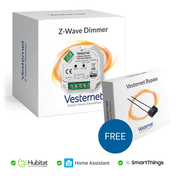
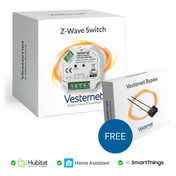
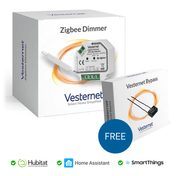
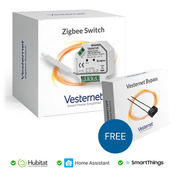
Modern smart homes rely on multiple apps to control different devices, creating fragmentation and complexity for homeowners. Each manufacturer typically provides their own application, leading to a scattered ecosystem where users must navigate between various interfaces to manage lighting, security, appliances, and environmental controls. This fragmented approach often results in decreased efficiency and user frustration as homeowners struggle to coordinate devices that should work seamlessly together.
Smart home app control and unified device management offer streamlined automation, enhanced security, and improved user experience through comprehensive wireless system management. By implementing proper mobile connectivity solutions and effective device orchestration, homeowners can transform their disparate smart devices into a cohesive, intelligent ecosystem. Whether using specialised applications like the Meross app for smart plugs or dedicated platforms such as the iGlooHome app for access control, the key lies in creating harmony between different technologies whilst maintaining intuitive control.
This comprehensive guide will walk readers through understanding app-based control fundamentals, selecting the right control systems, implementing effective device orchestration, and optimising their smart home's mobile connectivity for long-term success. From basic smart plug integration using solutions like the AOYCOCR smart plug app to advanced automation scenarios involving multiple device categories, you'll discover how to build a responsive, intelligent living environment that adapts to your lifestyle needs.
Understanding Smart Home App Control Fundamentals
Smart home application architecture forms the backbone of modern home automation, connecting mobile devices to smart home hardware through various communication protocols. These applications serve as digital intermediaries, translating user commands into device-specific instructions whilst providing real-time feedback about system status. Understanding how apps communicate with devices helps homeowners make informed decisions about their automation investments and troubleshoot connectivity issues effectively.
Core components of smart home app systems:
- Mobile applications that provide user interfaces for device control and monitoring
- Cloud services that enable remote access and data synchronisation across devices
- Local network protocols like Wi-Fi, Zigbee, and Z-Wave for direct device communication
- Hub or gateway devices that bridge different communication standards
Mobile connectivity enables sophisticated device management by establishing secure, reliable communication channels between smartphones and smart home hardware. This connectivity extends beyond simple on/off controls to include advanced features like energy monitoring, scheduling, and automated responses based on environmental conditions or user preferences.

Essential Device Categories for App-Based Control
Smart plugs represent the most accessible entry point into app-controlled home automation, offering instant transformation of standard appliances into connected devices. These versatile components enable remote control, energy monitoring, and scheduling capabilities through dedicated mobile applications. The AOYCOCR smart plug app exemplifies how manufacturers provide intuitive interfaces for managing multiple smart plugs simultaneously, allowing users to create custom schedules and monitor energy consumption patterns.
Foundation device categories for smart home automation:
- Smart plugs for appliance control and energy monitoring
- Intelligent switches for lighting and electrical circuit management
- Gateways and hubs for protocol bridging and system coordination
- Controllers and sensors for environmental monitoring and automated responses
Each device category contributes unique capabilities to overall system functionality through wireless system management protocols. Smart switches provide permanent installation solutions for lighting control, whilst gateways enable communication between different device types and protocols. This layered approach ensures comprehensive coverage of home automation needs whilst maintaining flexibility for future expansion.

Choosing the Right Gateway and Hub Solutions
Multi-protocol hubs serve as the central nervous system for comprehensive device orchestration, enabling seamless communication between devices that use different wireless standards. These sophisticated devices translate protocols, manage device relationships, and provide unified control interfaces that eliminate the need for multiple manufacturer-specific applications. Selecting the appropriate hub involves evaluating protocol support, device capacity, and integration capabilities with existing smart home infrastructure.
Remote access capabilities become crucial when selecting gateway solutions, as they determine how effectively you can manage your smart home system whilst away from the property. Modern gateways provide secure cloud connectivity that enables mobile app control from anywhere with internet access, whilst maintaining local operation capabilities during network outages.
Key considerations for gateway selection:
- Protocol compatibility including Zigbee, Z-Wave, Wi-Fi, and emerging standards
- Device capacity limits and expansion potential for future growth
- Security features including encryption standards and access control mechanisms
- Integration options with popular smart home platforms and voice assistants

Smart Switch and Plug Integration Strategies
Implementing smart switches requires careful planning of electrical circuits and consideration of existing wiring configurations to ensure optimal performance and safety. Professional installation may be necessary for hardwired switches, whilst smart plugs offer immediate deployment without electrical modifications. The Meross app demonstrates effective integration approaches by providing comprehensive setup wizards, device grouping capabilities, and intuitive scheduling interfaces that simplify complex automation scenarios.
Installation and configuration workflow:
- Assess electrical requirements and safety considerations for switch installations
- Configure mobile connectivity settings and establish secure device communication
- Set up energy monitoring features to track consumption patterns and optimise usage
- Create automation schedules based on lifestyle patterns and energy efficiency goals
Energy monitoring setup provides valuable insights into appliance consumption patterns and enables data-driven decisions about energy usage optimisation. Smart plugs equipped with monitoring capabilities can identify energy-hungry devices and provide historical usage data that informs automation decisions and potential cost savings opportunities.
Advanced Device Orchestration Through Mobile Apps
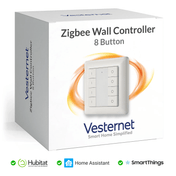
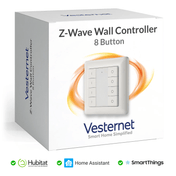
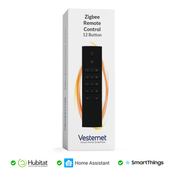
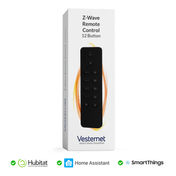
Sophisticated automation techniques involve coordinating multiple device types to create comprehensive smart home scenes that respond to specific triggers or time-based schedules. Wall controllers and remote controllers provide physical interfaces that complement mobile app control, offering immediate access to frequently used automation sequences without requiring smartphone interaction. This multi-interface approach ensures reliable system access regardless of mobile device availability or battery status.
Scene creation enables complex device orchestration where multiple smart home components work together to achieve specific environmental conditions or functional states. For example, a "goodnight" scene might simultaneously dim lights, lock doors using the iGlooHome app integration, adjust thermostat settings, and activate security monitoring systems through coordinated wireless system management protocols.
Advanced orchestration capabilities:
- Multi-device scene coordination for complex automation scenarios
- Trigger-based responses using sensors and environmental conditions
- Voice control integration for hands-free operation and accessibility
- Backup control options through physical interfaces and alternative apps

Mobile Connectivity Optimization and Troubleshooting
Maintaining reliable mobile connectivity requires systematic approach to network optimisation and proactive troubleshooting of common communication issues. Wi-Fi network strength, router placement, and interference management significantly impact smart home app performance and device responsiveness. Regular network assessments help identify potential weak points before they affect daily operations.
Connectivity optimisation strategies:
- Strategic router placement and Wi-Fi extender deployment for comprehensive coverage
- Network channel optimisation to minimise interference from neighbouring networks
- Regular firmware updates for both network equipment and smart home devices
- Bandwidth management to prioritise smart home traffic during high-usage periods
Troubleshooting wireless system management issues often involves systematic diagnosis of network layers, from internet connectivity through local Wi-Fi performance to individual device communication status. Understanding signal strength indicators and connectivity diagnostics within smart home apps enables rapid identification and resolution of communication problems.
Security Best Practices for App-Controlled Smart Homes
Protecting smart home apps and device communications requires comprehensive security strategies that address both digital and physical vulnerabilities. Strong authentication mechanisms, regular password updates, and secure network configurations form the foundation of smart home security. Two-factor authentication should be enabled wherever available, particularly for applications controlling security devices or providing access to sensitive home systems.
Device communications security involves ensuring encrypted data transmission between mobile apps and smart home hardware whilst maintaining robust access control for family members and authorised users. Regular security audits of connected devices help identify potential vulnerabilities and ensure ongoing protection against evolving threats.
Essential security measures:
- Strong, unique passwords for all smart home applications and user accounts
- Regular firmware updates to address security vulnerabilities and improve functionality
- Network segmentation to isolate smart home devices from sensitive computer systems
- Privacy settings configuration to minimise unnecessary data collection and sharing
Future-Proofing Your App-Controlled Smart Home System
Strategic planning for system scalability involves selecting devices and platforms that support emerging technologies whilst maintaining compatibility with current automation investments. Matter protocol adoption represents a significant development in smart home standardisation, promising improved interoperability between different manufacturers' devices and applications. Building expandable ecosystems requires balancing current functionality needs with future compatibility requirements.
Future-proofing considerations:
- Protocol evolution support including Matter compatibility and emerging wireless standards
- Modular system design that accommodates incremental expansion and technology upgrades
- Vendor ecosystem evaluation to ensure long-term support and development continuity
- Integration flexibility with emerging platforms and automation services
Long-term device compatibility becomes increasingly important as smart home technology evolves and new standards emerge. Selecting devices from manufacturers with strong track records of software support and protocol adaptation helps ensure continued functionality as the smart home landscape develops. Regular system assessments and strategic upgrade planning maintain optimal performance whilst protecting initial automation investments.
Conclusion
Mastering smart home app control transforms your living space into an intelligent, responsive environment that enhances daily convenience, security, and energy efficiency. The integration of unified gateways, smart switches, plugs, and controllers creates a seamless ecosystem where every device works in harmony through intuitive mobile management. Whether utilising manufacturer-specific applications like the Meross app for device coordination or implementing comprehensive wireless system management solutions, the key lies in building cohesive systems that adapt to your lifestyle needs whilst maintaining reliability and security.
Start implementing your app-controlled smart home system today by identifying your priority areas and selecting compatible devices that align with your lifestyle needs. Begin with fundamental components like smart plugs and switches, then expand to advanced motor controllers and automation systems as your confidence and requirements grow. The journey from basic device control to sophisticated device orchestration becomes manageable through systematic planning and incremental implementation of mobile connectivity solutions.
Ready to explore smart home control solutions for your automation journey? Browse our comprehensive collections of gateways, smart switches, plugs, and controllers to discover the perfect devices for your app-controlled smart home. Our expert team is available to provide guidance and ensure you select the optimal solutions for your unique requirements, helping you build an intelligent home ecosystem that grows with your needs and enhances your daily living experience.