Choosing the right smart lock can feel overwhelming when faced with dozens of manufacturers, each promoting their own platforms and promising seamless integration. The reality is that smart lock ecosystems vary dramatically in their capabilities, compatibility, and long-term viability. Understanding these differences is crucial for making an informed investment that will serve your home security needs for years to come.
By understanding manufacturer ecosystems, homeowners can make confident decisions that ensure seamless integration with existing smart home systems whilst maintaining flexibility for future expansion. The key lies in recognising how different platforms approach access control, connectivity, and user management. This comprehensive guide will examine major smart lock platforms, their unique features, integration capabilities, and provide practical guidance for choosing the right ecosystem for your specific requirements and existing smart home infrastructure.
Understanding Smart Lock Ecosystem Fundamentals
A smart lock ecosystem encompasses the hardware, software, and integration capabilities that define how your digital entry systems interact with other connected devices in your home. Unlike traditional locks, smart locks rely on manufacturer-specific platforms that determine everything from app functionality to third-party compatibility.
Key Components of Smart Lock Ecosystems:
- Proprietary mobile applications for device control and management
- Cloud-based services for remote access and data synchronisation
- Integration protocols that determine compatibility with smart home hubs
- User management systems for access control and monitoring
The distinction between proprietary platforms and open standards significantly impacts your long-term flexibility. Proprietary systems offer tightly integrated experiences but may limit future expansion options. Open standards like Z-Wave and Zigbee provide broader compatibility but might sacrifice some advanced features unique to specific manufacturer implementations.

Major Smart Lock Platform Comparison
The smart lock market features several dominant platforms, each with distinct approaches to access control ecosystems. Understanding these differences helps identify which manufacturer aligns best with your smart home vision and technical requirements.
Leading Smart Lock Platforms:
- Yale's comprehensive ecosystem with robust app functionality and professional-grade features
- Nuki's European-focused platform emphasising retrofit compatibility and flexible installation
- August's user-friendly approach with strong rental property features
- Kubu's innovative solutions combining traditional security with modern connectivity
The yale home app exemplifies a mature platform approach, offering extensive customisation options, detailed access logs, and integration with Yale's broader security ecosystem. Meanwhile, nuki web provides a browser-based management interface that complements their mobile app, offering flexibility for users who prefer desktop access to their lock management features. Each platform brings unique strengths that cater to different user preferences and installation scenarios.

Access Control Technologies and Integration Methods
The underlying connectivity technology determines how your smart locks integrate with existing smart home infrastructure. Different manufacturers prioritise various protocols based on their target market and feature requirements.
Primary Connectivity Options:
- Z-Wave for mesh networking and excellent range performance
- Zigbee for low-power operation and broad hub compatibility
- Wi-Fi for direct internet connectivity and remote access
- Bluetooth for local control and energy-efficient operation
These technologies affect everything from battery life to integration complexity. Z-Wave and Zigbee locks typically require a compatible hub but offer excellent reliability and mesh networking benefits. Wi-Fi locks provide direct internet connectivity but may impact battery life. Bluetooth locks excel in local control scenarios but require gateway devices for remote access capabilities.

Platform-Specific Features and Capabilities
Each manufacturer develops unique features that differentiate their access control ecosystems. These capabilities often become deciding factors when choosing between otherwise comparable smart lock options.
Advanced Platform Features:
- Temporary access controls with time-based restrictions and automatic expiry
- Biometric integration for enhanced security and convenience
- Geofencing capabilities that automatically adjust lock behaviour based on location
- Integration with security cameras and alarm systems for comprehensive monitoring
The kubu smart lock platform demonstrates innovative approaches to traditional lock functionality, incorporating features like silent operation modes and adaptive security protocols. These advanced capabilities showcase how different manufacturers approach the balance between security, convenience, and technological innovation within their respective ecosystems.
Multi-Platform Integration Strategies
Creating a cohesive smart home experience often requires integrating devices from multiple manufacturers. Successful multi-platform strategies rely on understanding compatibility bridges and universal control options.
Integration Approaches:
- Universal smart home hubs that support multiple protocols simultaneously
- Cloud-based integration platforms like SmartThings or Hubitat
- Bridge devices that translate between different communication protocols
- API-based integrations for advanced users and custom implementations
The key to successful multi-platform integration lies in choosing a central hub that supports your preferred smart lock protocols whilst maintaining compatibility with other smart home devices. This approach ensures that features like automated locking routines and security system integration work seamlessly across different brand platforms without compromising individual device functionality.

Security and Privacy Considerations Across Platforms
Security implementation varies significantly between smart lock manufacturers, affecting both the protection of your physical property and the privacy of your access data. Understanding these differences is essential for making informed security decisions.
Security Evaluation Criteria:
- Encryption standards for data transmission and storage
- Authentication protocols for user verification and device pairing
- Privacy policies governing data collection and sharing practices
- Update frequency and vulnerability response procedures
Different platforms implement varying levels of local versus cloud-based processing, which directly impacts both security and privacy. Some manufacturers prioritise local processing to minimise data exposure, whilst others leverage cloud capabilities for advanced features like machine learning and predictive analytics. Evaluating these trade-offs helps determine which approach aligns with your security priorities and privacy preferences.
Future-Proofing Your Access Control Investment
The smart home landscape evolves rapidly, making long-term viability a crucial consideration when choosing smart lock platforms. Future-proofing strategies focus on selecting manufacturers and technologies that will remain relevant and supported over time.
Future-Proofing Factors:
- Manufacturer stability and market position for long-term support
- Compliance with emerging standards like Matter for broader compatibility
- Regular firmware updates and feature enhancement programmes
- Modular design allowing hardware upgrades without complete replacement
Emerging standards like Matter promise to reduce platform lock-in by ensuring interoperability between different manufacturers. However, adoption timelines vary, and some advanced features may remain platform-specific. Balancing current functionality needs with future flexibility requirements helps ensure your smart lock investment continues providing value as technology evolves.
Implementation Best Practices and Troubleshooting
Successful smart lock implementation requires careful planning and attention to installation details. Following manufacturer-specific best practices ensures optimal performance and reduces common connectivity issues.
Installation Considerations:
- Door compatibility assessment including thickness, material, and hardware clearance
- Network coverage evaluation for reliable connectivity throughout installation area
- Power management planning for battery-operated devices and backup options
- User setup procedures for family members and authorised access personnel
Common troubleshooting scenarios often relate to connectivity issues, battery management, or integration conflicts with other smart home devices. Understanding your chosen platform's specific diagnostic procedures and support resources helps resolve issues quickly. Most manufacturers provide detailed troubleshooting guides and customer support channels tailored to their specific ecosystem requirements and common user scenarios.
Conclusion
Understanding manufacturer ecosystems is fundamental to making smart lock investments that deliver lasting value and seamless integration with your smart home infrastructure. Each platform offers unique advantages, from the comprehensive features of the yale home app to the flexible browser-based management of nuki web, and the innovative approaches found in solutions like the kubu smart lock. The key lies in aligning platform capabilities with your specific requirements, existing infrastructure, and long-term smart home vision.
Start your smart lock journey by thoroughly evaluating your current smart home setup and identifying compatibility requirements. Consider beginning with a single platform and gradually expanding as your needs evolve, ensuring each addition enhances rather than complicates your overall system. This methodical approach allows you to build confidence with your chosen ecosystem whilst maintaining flexibility for future enhancements and technological developments.
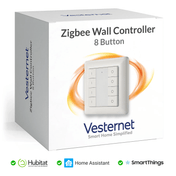
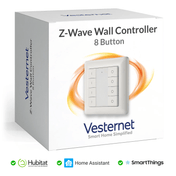
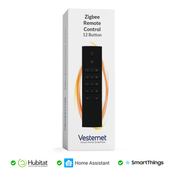
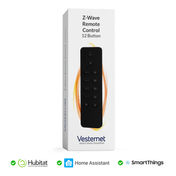
Ready to explore smart lock solutions for your home? Browse Vesternet's comprehensive range of door sensors, remote controllers, wall controllers, motion sensors, sirens, and cameras to build a cohesive smart home security system. Our expert team can provide guidance on platform compatibility and help you choose the right ecosystem for your specific needs and existing smart home setup.