The modern smart home landscape has evolved beyond simple app-based control, with homeowners increasingly demanding intuitive, hands-free interaction with their automated systems. Traditional interfaces often create barriers to adoption, requiring users to locate devices, launch applications, or remember complex button sequences. Voice control emerges as the natural solution, transforming how we interact with our living spaces through simple, conversational commands that feel as natural as speaking to another person.
Voice control integration represents the cornerstone of truly intelligent home automation, offering unprecedented accessibility and convenience whilst enabling seamless coordination between devices from different manufacturers and protocols. This technology bridges the gap between complex smart home infrastructure and user-friendly operation, making advanced automation accessible to everyone regardless of technical expertise. The result is a responsive environment that adapts to spoken requests, creating a more inclusive and efficient living experience.
This comprehensive guide covers everything from fundamental voice control concepts through sophisticated automation scenarios, ensuring readers can build robust voice-controlled systems tailored to their specific needs. Whether you're beginning your smart home journey or expanding an existing setup, you'll discover practical strategies for creating reliable voice automation that enhances daily life through intelligent, responsive technology.
Understanding Voice Control Fundamentals in Smart Homes
Voice control systems operate through a sophisticated process that begins when a voice assistant detects a wake word, processes the subsequent command through cloud-based or local artificial intelligence, and translates the request into actionable device instructions. This seamless interaction masks complex technology involving speech recognition, natural language processing, and protocol translation that enables voice commands to control diverse smart home devices across different communication standards.
Key components of voice control systems:
- Wake word detection for hands-free activation
- Natural language processing for command interpretation
- Protocol bridges connecting voice platforms to smart devices
- Cloud integration for expanding command vocabulary and capabilities
Different voice platforms offer varying levels of local processing versus cloud dependency, affecting response times, privacy considerations, and offline functionality. Understanding these distinctions helps homeowners choose voice automation solutions that align with their priorities for speed, security, and reliability whilst ensuring compatibility with their preferred smart home ecosystem.

Planning Your Voice-Controlled Smart Home Infrastructure
Successful voice automation requires careful infrastructure planning, beginning with robust network connectivity that supports multiple simultaneous voice commands without lag or interruption. A reliable home network serves as the foundation for responsive voice control, ensuring commands reach their intended devices quickly and accurately. Gateway hubs play a crucial role in this ecosystem, providing protocol interoperability that allows voice assistants to communicate with devices using Z-Wave, Zigbee, and other smart home standards.
Essential infrastructure components:
- High-quality wireless router with sufficient bandwidth for voice processing
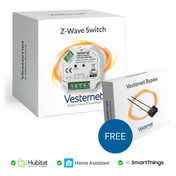
- Smart home gateway supporting multiple protocols for device compatibility
- Strategic placement of voice assistants for optimal room coverage
- Backup power solutions to maintain voice control during outages
Planning for scalability ensures your voice control infrastructure accommodates future expansion without requiring fundamental changes to existing systems. Consider device placement, network capacity, and protocol compatibility when designing your setup, creating a foundation that supports both immediate needs and long-term automation goals through thoughtful system architecture.
Device Compatibility and Protocol Integration
Protocol interoperability stands as a critical factor in creating unified voice control experiences across diverse smart home devices. Z-Wave and Zigbee devices require compatible gateways to communicate with voice platforms, whilst Wi-Fi devices often connect directly to voice assistants. Understanding these compatibility requirements prevents frustration and ensures all devices respond reliably to voice commands regardless of their underlying communication protocol.
Protocol compatibility considerations:
- Z-Wave devices require certified gateways for voice platform integration
- Zigbee compatibility varies between different voice assistant ecosystems
- Wi-Fi devices offer direct connectivity but may strain network resources
- Matter protocol emerging as universal standard for cross-platform compatibility
Creating unified control across mixed-protocol environments involves strategic gateway selection and careful device pairing processes that maintain consistent voice command recognition. Device compatibility extends beyond basic connectivity to include feature support, response timing, and naming convention flexibility that affects the naturalness of voice interactions throughout your smart home ecosystem.

Essential Device Categories for Voice Control
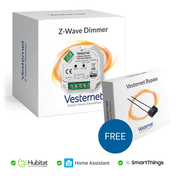
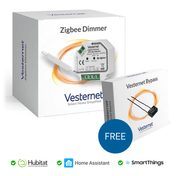
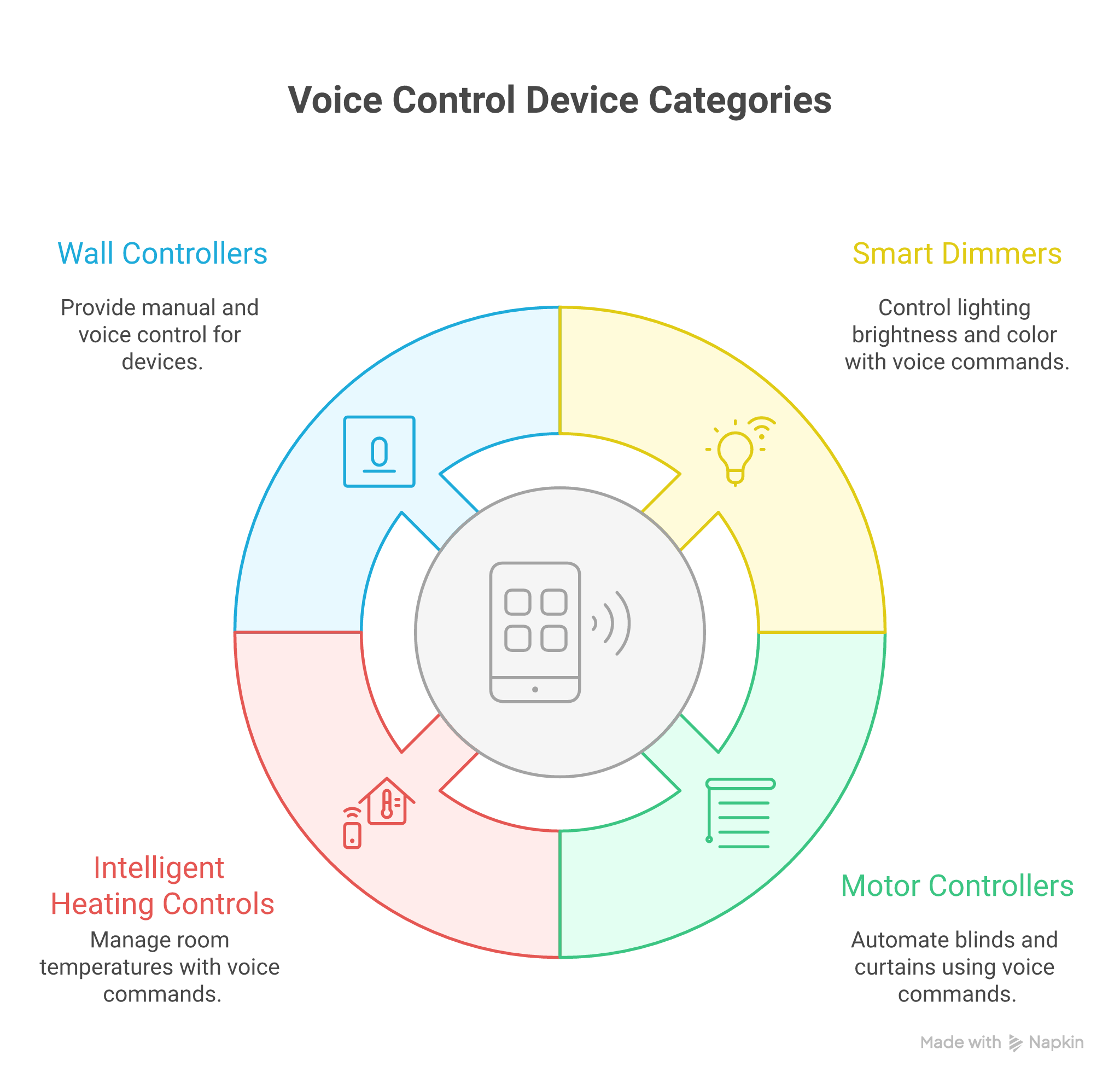
Smart lighting represents the most accessible entry point for voice automation, with intelligent dimmers offering granular control over brightness levels, colour temperature, and scene creation through simple voice commands. These devices demonstrate immediate value by eliminating the need to locate switches in dark rooms whilst providing energy efficiency benefits through precise light level management. Motor controllers for blinds and curtains extend voice control to window treatments, enabling automated privacy and light management that responds to daily routines or weather conditions.
Core device categories enhancing voice experiences:
- Smart dimmers for comprehensive lighting control and energy management
- Motor controllers enabling voice-activated window treatment automation
- Intelligent heating controls for room-by-room temperature management
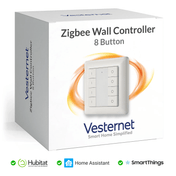
- Wall controllers providing backup manual operation alongside voice functionality
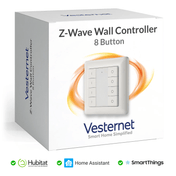
Advanced wall controllers serve dual purposes, offering traditional button-based control whilst integrating seamlessly with voice automation systems. These devices ensure reliability when voice control faces temporary challenges whilst providing additional programming options for complex automation scenarios that benefit from both voice activation and manual control flexibility.
Setting Up Basic Voice Commands and Scenes
Initial voice command configuration begins with establishing clear, memorable naming conventions for devices and rooms that ensure reliable recognition across different accents and speaking patterns. Consistent naming prevents confusion whilst enabling natural interaction patterns that feel intuitive to all household members. Device grouping allows single voice commands to control multiple lights or devices simultaneously, creating the foundation for more sophisticated automation scenarios.
Essential setup steps for reliable voice control:
- Create descriptive device names avoiding technical jargon or model numbers
- Group related devices by room or function for efficient voice control
- Test voice commands thoroughly to identify recognition issues early
- Establish backup phrases for critical commands to improve reliability
Scene creation transforms multiple device actions into single voice commands, enabling complex lighting arrangements or multi-device sequences through simple phrases like "movie night" or "bedtime routine." Proper scene configuration considers timing sequences, device priorities, and fallback behaviours that maintain functionality even when individual devices encounter connectivity issues.
Advanced Voice Automation and Custom Routines
Sophisticated voice automation leverages conditional logic to create context-aware responses that adapt to changing circumstances throughout the day. Advanced routines combine voice triggers with sensor data, time schedules, and device states to deliver intelligent automation that anticipates needs rather than simply responding to direct commands. These systems learn from usage patterns whilst maintaining the flexibility to override automatic behaviours through voice command when circumstances change.
Advanced automation capabilities:
- Time-based routines that modify behaviour based on schedule patterns
- Sensor integration for context-aware voice command responses
- Multi-room sequences coordinating devices across different areas
- Conditional logic enabling different responses based on current conditions
Custom routine development enables personalised automation that reflects unique household patterns and preferences whilst maintaining the simplicity that makes voice control appealing. These advanced features transform voice assistants from simple command processors into intelligent automation partners that enhance daily life through predictive, responsive technology integration.

Troubleshooting Common Voice Control Issues
Voice control reliability depends on multiple factors including network stability, device placement, and environmental conditions that can affect recognition accuracy. Common issues range from wake word sensitivity problems to network latency affecting command response times. Systematic troubleshooting approaches identify root causes rather than symptoms, ensuring long-term reliability improvements rather than temporary fixes that mask underlying problems.
Frequent voice control challenges and solutions:
- Network connectivity issues causing delayed or failed device responses
- Wake word sensitivity requiring adjustment for consistent activation
- Device naming conflicts creating command confusion or misrecognition
- Environmental noise interference affecting voice recognition accuracy
Optimisation techniques focus on improving voice assistant placement, network configuration, and device naming strategies that enhance recognition reliability whilst reducing false activations. Regular system maintenance including software updates, network monitoring, and device health checks prevents minor issues from developing into significant functionality problems that compromise voice automation effectiveness.
Future-Proofing and Expanding Your Voice Ecosystem
Emerging voice technologies promise enhanced local processing capabilities, improved privacy features, and expanded device compatibility that will reshape smart home automation possibilities. Planning for these developments ensures current investments remain valuable whilst preparing infrastructure to accommodate new capabilities as they become available. Strategic expansion focuses on maintaining compatibility whilst adding new device categories that enhance overall voice automation effectiveness.
Future-proofing strategies for voice control systems:
- Choose devices supporting emerging standards like Matter for long-term compatibility
- Invest in expandable gateway systems that accommodate protocol evolution
- Plan network infrastructure with capacity for increased voice processing demands
- Select voice platforms with strong development communities and regular updates
Long-term voice ecosystem planning balances current functionality with future expansion possibilities, ensuring systems remain responsive and capable as technology evolves. Successful planning considers both hardware longevity and software evolution, creating foundations that support continuous improvement without requiring complete system replacement as voice automation capabilities advance.
Conclusion
Voice control integration transforms smart homes from complex technical systems into intuitive, accessible environments that respond naturally to human interaction. This technology eliminates barriers between users and their automated systems whilst providing enhanced accessibility for users with mobility limitations or visual impairments. The seamless coordination between different protocols and manufacturers creates unified control experiences that make sophisticated automation available to everyone regardless of technical expertise.
Beginning with foundational devices like smart dimmers and reliable gateway hubs creates a solid foundation for voice automation that can expand gradually to include motor controllers, heating systems, and advanced wall controllers. This progressive approach allows homeowners to experience immediate benefits whilst building comprehensive automation systems that enhance comfort, convenience, and energy efficiency throughout their living spaces.
Ready to build your voice-controlled smart home ecosystem? Explore Vesternet's comprehensive range of voice-compatible devices including smart gateways for protocol integration, intelligent dimmers for lighting control, and advanced controllers for complete home automation. Our expert team provides guidance on device compatibility and system design to ensure your voice control setup delivers reliable, intuitive performance for years to come.