Smart home enthusiasts often face confusion when selecting Z-Wave control modules, especially when deciding between specialised motor controllers and lighting dimmers, as choosing the wrong module can lead to compatibility issues and suboptimal performance. This comprehensive comparison will help you understand which Vesternet Z-Wave module suits your specific automation needs, whether you're controlling window treatments or managing lighting systems, ensuring you make an informed decision for optimal smart home functionality. As a leading UK smart home specialist, Vesternet provides expert insights based on extensive testing and real-world experience with both motor control and lighting automation technologies.
Understanding Motor Control vs Lighting Control Technology
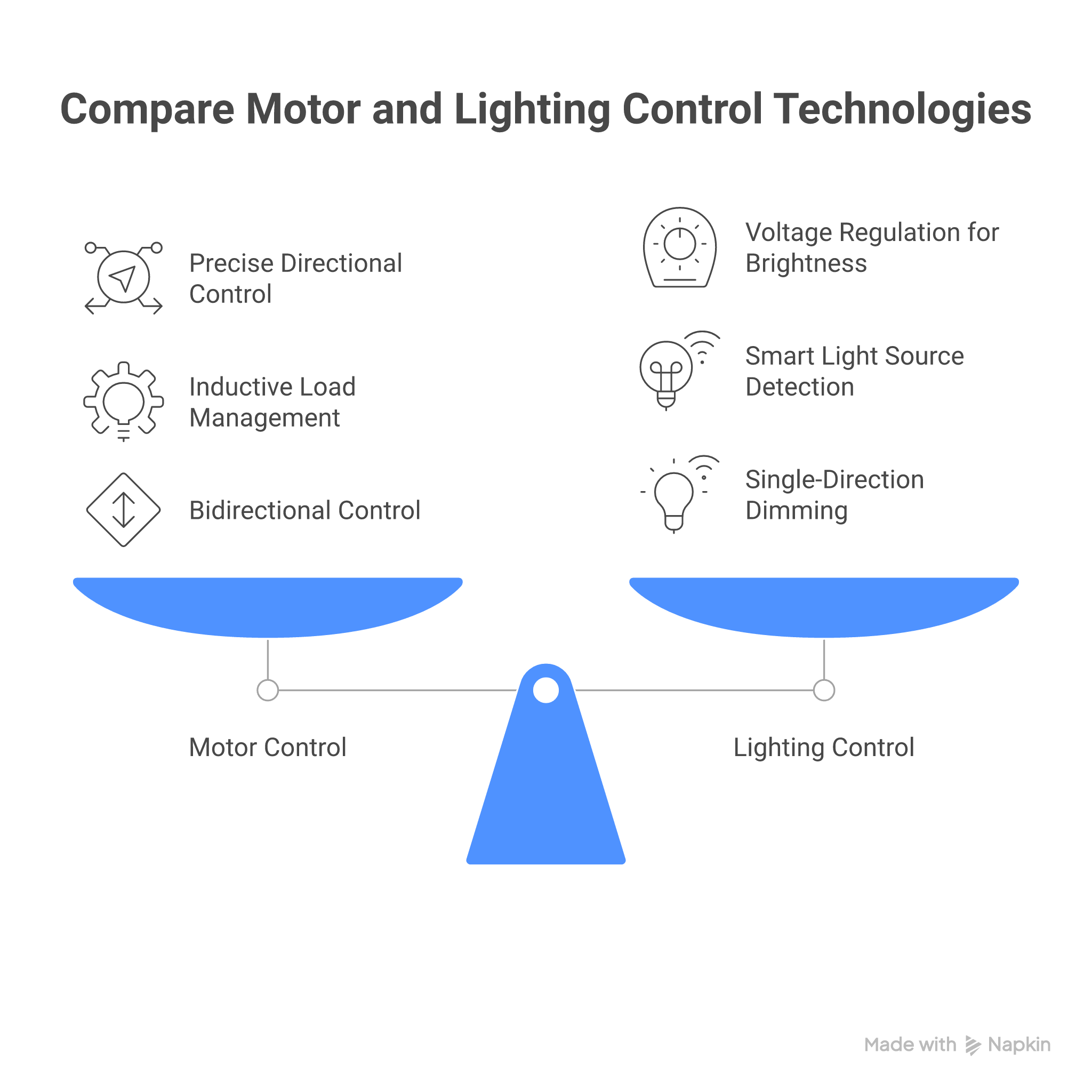
The fundamental distinction between motor control and lighting control technology lies in their operational purpose and electrical characteristics. Motor controllers are engineered to manage the complex demands of motorised blinds, curtains, and shutters, requiring precise directional control and positioning capabilities. These modules must handle inductive loads from motors whilst providing accurate positioning feedback, making them specialised tools for window treatment automation.
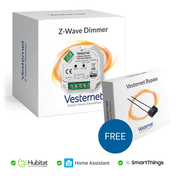
Lighting dimmers, conversely, focus on voltage regulation to control brightness levels across various lamp types. The Vesternet Z-Wave Dimmer incorporates smart light source detection technology, automatically configuring itself for either trailing edge or leading edge dimming depending on the connected load type. This intelligent adaptation ensures optimal performance with incandescent, halogen, LED, and compact fluorescent lighting without manual configuration.
Both modules integrate remote power monitoring capabilities, functioning as energy display devices within your smart home ecosystem. This shared feature enables comprehensive energy usage tracking, supporting smart meter technology integration for detailed consumption analysis through compatible energy usage apps.
Application Focus: Motors vs Lights - Core Functionality Differences
The Vesternet Z-Wave Motor Controller excels in blind and curtain automation, offering two independent channels with 2A capacity per channel for motor loads. Its positioning calibration feature transforms basic up/down commands into precise percentage-based positioning, eliminating the guesswork from blind control. The module supports separate slat rotation control, allowing independent tilting adjustment without affecting the main blind position.
The Z-Wave Dimmer specialises in sophisticated lighting control with support for multiple wiring configurations. Its flexibility shines through 2-wire and 3-wire installation options, accommodating existing installations without neutral wires whilst including a bypass accessory for low-load stability. The soft start lighting feature provides gentle illumination ramp-up, protecting both eyes and bulb longevity.
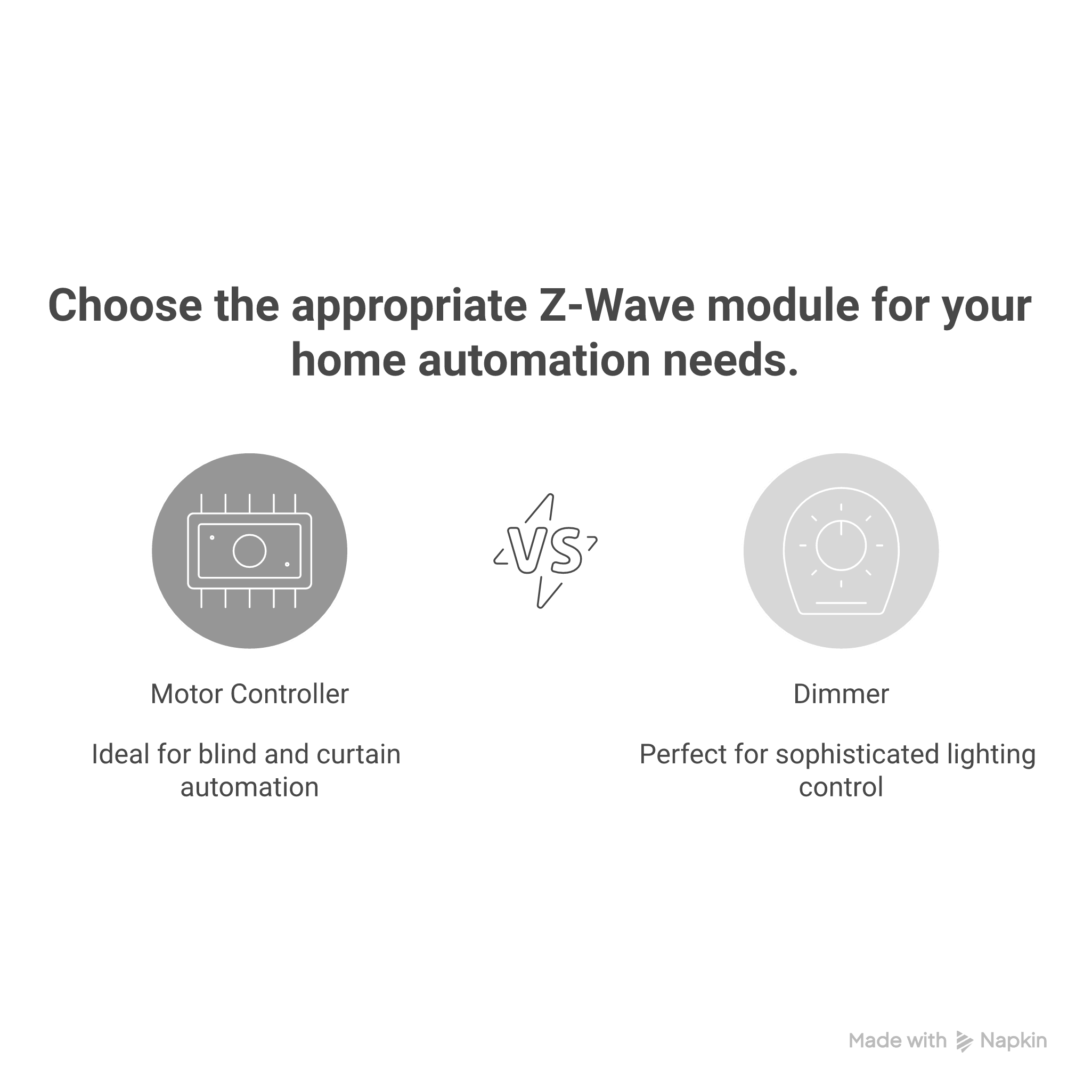
Load capacity differs significantly between applications. The Motor Controller handles 2A per channel for capacitive and inductive loads, whilst the Dimmer manages up to 400W for incandescent lighting and 200W for LED loads. Both modules incorporate comprehensive power monitoring, enabling detailed energy usage tracking through compatible smart meter technology interfaces.
Real-World Performance: Control Precision and Response Times
Positioning accuracy represents the Motor Controller's standout performance characteristic. The automatic calibration system learns blind travel limits, enabling precise positioning commands through Z-Wave controllers. Users can specify exact positioning percentages, with the module calculating motor run times to achieve accurate blind placement consistently. This precision proves invaluable for automated schedules and scene-based control.
The Dimmer excels in smooth brightness transitions and load adaptability. Its smart detection automatically optimises dimming curves for connected lighting types, ensuring flicker-free operation across LED, halogen, and incandescent loads. The configurable soft start timing allows customisation from instant illumination to gentle 5-second ramp-up periods.
Performance Metrics Comparison
- Motor positioning accuracy: ±2% with calibration
- Dimmer response time: instantaneous to 5-second ramp
- Motor overload protection: automatic shutdown at 2.5A
- Dimmer load detection: automatic trailing/leading edge selection
Both modules provide comprehensive remote power monitoring through built-in metering capabilities. This functionality transforms them into energy display devices, feeding consumption data to energy usage apps and smart meter technology systems for detailed analysis and cost optimisation.

Motor Controller: Strengths and Limitations Analysis
The Motor Controller's primary strength lies in its specialised positioning system. Unlike basic relay modules, it provides true percentage-based control, eliminating timing guesswork and ensuring repeatable blind positions. The dual-channel design supports independent blind control or sophisticated installations requiring separate up/down motor connections. Scene activation capabilities enable complex automation scenarios triggered by single, double, or triple switch presses.
Key Advantages
- Precise positioning calibration for repeatable blind placement
- Separate slat rotation control for venetian blind applications
- Dual channels for multiple blind control or split motor configurations
- Comprehensive energy monitoring for power usage optimisation
Installation limitations centre on wiring requirements. The module mandates 3-wire installation with neutral connections, potentially complicating retrofits in older properties. The 2A per channel rating suits most residential blind motors but may restrict commercial or heavy-duty applications. Additionally, the module exclusively supports momentary switch inputs, requiring switch upgrades in some installations.

Dimmer Module: Benefits and Drawbacks Assessment
Installation flexibility represents the Dimmer's greatest strength. The 2-wire capability enables retrofitting in properties lacking neutral wires, whilst the included bypass accessory ensures stable operation with low-wattage LED installations. Smart load detection eliminates complex configuration procedures, automatically optimising dimming characteristics for connected lighting types.
Notable Benefits
- Flexible 2-wire or 3-wire installation options
- Automatic load detection for optimal dimming performance
- Soft start lighting protection for bulb longevity
- Configurable power failure states for safety applications
Load limitations may restrict some applications. The 200W LED capacity suits most residential installations but may prove insufficient for commercial lighting or large room applications requiring multiple high-wattage LED fixtures. The single-channel design necessitates multiple modules for multi-zone lighting control, potentially increasing installation complexity and costs compared to multi-channel alternatives.
Matching Your Smart Home Needs: Which Module Fits Your Setup
Tech enthusiasts automating window treatments should prioritise the Motor Controller for its advanced positioning capabilities and dual-channel flexibility. The precise percentage-based control enables sophisticated automation scenarios, whilst the integrated remote power monitoring supports energy usage analysis through compatible apps. This module excels in applications requiring repeatable blind positioning for privacy control, solar gain management, or security automation.
Homeowners upgrading lighting systems will find the Dimmer's installation flexibility and smart detection invaluable. The 2-wire capability simplifies retrofitting in properties with limited wiring, whilst automatic load detection ensures optimal performance across various lighting technologies. The energy monitoring functionality transforms the module into an energy display device, providing consumption data for smart meter technology integration.
Decision Framework
- Choose Motor Controller for: blind automation, precise positioning needs, dual-zone control
- Select Dimmer for: lighting control, flexible installation requirements, load variety
- Both modules offer: comprehensive energy monitoring, Z-Wave Plus V2 compatibility
Professional installers and landlords should consider existing infrastructure constraints. The Dimmer's 2-wire capability reduces installation complexity in rental properties, whilst the Motor Controller's positioning accuracy provides premium automation features for high-end residential applications. Both modules integrate seamlessly with major Z-Wave controllers including Hubitat, Home Assistant, and SmartThings platforms.
Making the Right Choice for Your Smart Home Project
The key distinctions between motor control and lighting automation emphasise that both modules excel in their respective domains but serve fundamentally different purposes in smart home ecosystems. The Motor Controller delivers specialised blind positioning capabilities with dual-channel flexibility, whilst the Dimmer provides versatile lighting control with exceptional installation adaptability. Both modules incorporate comprehensive remote power monitoring, supporting energy usage optimisation through smart meter technology integration.
The 'better' choice depends entirely on your specific automation goals - whether you're seeking precise blind positioning or sophisticated lighting control - rather than one module being universally superior. Consider your primary automation objectives and existing setup requirements when making your decision, as understanding your specific needs is crucial for optimal module selection. Both products offer excellent energy monitoring capabilities, transforming them into valuable energy display devices within your smart home infrastructure.
We encourage you to explore both the Vesternet Z-Wave Motor Controller and Z-Wave Dimmer in detail to make an informed choice based on your unique smart home automation requirements and energy management goals.