Voice control has transformed from science fiction to everyday reality, with smart home adoption accelerating rapidly. Modern homeowners increasingly seek hands-free automation solutions that simplify daily routines, yet many find themselves overwhelmed by the complexity of available voice control options. The challenge lies not just in choosing the right technology, but in understanding how different components work together to create truly responsive home environments.
Voice activated systems offer unprecedented convenience, accessibility, and whole-home automation through natural speech commands. These solutions provide hands-free operation that enhances accessibility for users with mobility limitations, streamlines daily tasks through intuitive vocal commands, and integrates seamlessly with modern lifestyles. Whether controlling lighting, adjusting temperature, or managing security systems, voice activated commands create more natural interactions with your living space.
This comprehensive guide covers everything from understanding speech recognition technology fundamentals to implementing complete automation systems across your entire home. By exploring device compatibility considerations, installation strategies, and advanced automation techniques, readers will gain the knowledge needed to confidently plan and deploy their own voice activated system that perfectly matches their household's unique requirements.
Understanding Voice Control Technology in Smart Homes
Speech recognition technology forms the foundation of modern voice activated systems, converting spoken words into digital commands that smart devices can understand and execute. These systems use sophisticated algorithms to process natural language, identify specific command patterns, and translate vocal instructions into actionable device controls. The technology has evolved significantly, now capable of understanding context, distinguishing between different speakers, and adapting to various accents and speech patterns.
Key components of speech recognition technology:
- Natural language processing engines that interpret conversational speech patterns
- Voice pattern recognition that identifies individual users and their preferences
- Command parsing systems that extract specific instructions from complex sentences
- Contextual understanding that considers room location and current device states
The choice between cloud-based and local voice processing significantly impacts system performance, privacy, and reliability. Cloud-based systems offer advanced processing power and continuous updates but require internet connectivity, while local processing provides faster response times and enhanced privacy but with more limited vocabulary recognition capabilities.

Essential Components for Voice-Activated Home Automation
Smart hubs serve as the central command centres for voice activated systems, acting as bridges between voice assistants and connected devices throughout your home. These hubs process vocal commands, coordinate device responses, and maintain communication protocols across different smart home technologies. Modern hubs support multiple wireless standards, ensuring compatibility with diverse device ecosystems while providing reliable command execution.
Core hardware requirements for voice automation:
- Central gateway hubs that coordinate communication between voice assistants and smart devices
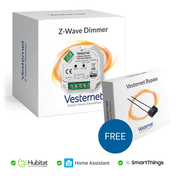
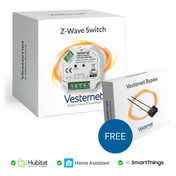
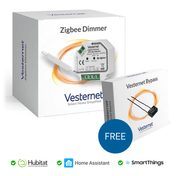
- Smart dimmers and switches that respond instantly to lighting control commands
- Motor controllers for automated blinds, curtains, and window treatments
- Thermostatic radiator valves for precise, room-by-room temperature control
Device compatibility extends beyond basic connectivity to encompass response speed, command accuracy, and integration depth. The most effective voice activated commands work with devices that provide immediate feedback, support complex multi-step operations, and maintain consistent performance across various network conditions.

Planning Your Voice-Controlled Smart Home System
Successful whole-home automation requires strategic planning that considers your household's specific needs, existing infrastructure, and future expansion possibilities. Begin by conducting a comprehensive room-by-room assessment to identify areas where voice control would provide the greatest benefit, such as frequently used lighting circuits, regularly adjusted heating zones, or window treatments that require daily operation.
Strategic planning considerations:
- Room priority assessment based on daily usage patterns and automation potential
- Network infrastructure evaluation to ensure robust wireless coverage throughout your home
- Device compatibility mapping to identify which products work seamlessly together
- Power and wiring requirements for smart switches, dimmers, and motor controllers
Network infrastructure plays a crucial role in voice activated system performance, as commands must travel reliably from voice assistants to hubs and then to individual devices. Strong wireless coverage, adequate bandwidth, and strategic hub placement ensure consistent response times and reduce the likelihood of command failures or delayed responses.
Device Integration and Compatibility Guide
Modern smart home devices must work harmoniously within voice activated systems to create truly seamless automation experiences. Lighting controls represent the most common starting point, with smart dimmers and switches providing immediate visual feedback when responding to vocal commands. These devices should offer smooth dimming capabilities, instant on/off responses, and integration with broader lighting scenes that control multiple fixtures simultaneously.
Essential device categories for comprehensive voice control:
- Lighting controllers including dimmers, switches, and colour-changing bulbs
- Motor controllers for window treatments, garage doors, and automated furniture
- Heating system components like smart thermostats and radiator valves
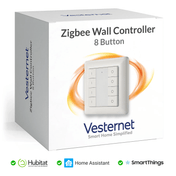
- Wall-mounted control panels for local override and scene activation
Device compatibility extends beyond simple on/off commands to encompass complex scenarios where multiple device types must coordinate their responses. For example, a "good morning" vocal command might simultaneously adjust lighting levels, open blinds via motor controllers, and increase heating through thermostatic radiator valves, creating a comprehensive automation sequence.

Implementation Strategies for Seamless Voice Control
Proper system setup begins with hub configuration, ensuring your central gateway can communicate effectively with both voice assistants and connected devices. This process involves establishing secure network connections, configuring device discovery protocols, and testing communication pathways between different system components. Take time to optimise hub placement for maximum wireless range and minimal interference from other household electronics.
Step-by-step implementation approach:
- Hub setup and network integration with secure authentication protocols
- Device pairing procedures that ensure reliable communication and control
- Voice command customisation for natural language patterns your household uses
- Scene creation that combines multiple devices into coordinated automation sequences
Voice command customisation transforms basic device control into intuitive, conversational interactions. Rather than memorising specific command syntax, users should be able to express their intentions naturally, with the system interpreting variations like "turn down the lights" or "make it dimmer" as equivalent requests for the same lighting adjustment.

Advanced Voice Automation Techniques
Multi-room voice control represents the pinnacle of whole-home automation, allowing users to manage their entire living environment through strategically placed voice assistants and comprehensive device integration. This approach requires careful coordination between different zones, ensuring commands intended for specific areas don't inadvertently affect other parts of the home while maintaining the ability to execute house-wide automation when desired.
Sophisticated automation strategies:
- Conditional commands that adapt behaviour based on time, occupancy, and environmental conditions
- Multi-device scene orchestration involving lighting, heating, and window treatment coordination
- Security system integration for comprehensive home monitoring and control
- Adaptive learning that optimises responses based on usage patterns and preferences
Advanced vocal command sequences can trigger complex home scenarios that would otherwise require multiple manual adjustments. Consider implementing "leaving home" routines that simultaneously secure doors, adjust thermostats, close blinds, and activate security monitoring, all initiated through a single voice activated command that simplifies departure procedures.
Troubleshooting Voice Control Issues
Common voice recognition problems often stem from environmental factors, network connectivity issues, or insufficient system calibration. Background noise, competing audio sources, and poor microphone placement can significantly impact command accuracy. Address these challenges by optimising voice assistant positioning, reducing ambient noise during setup procedures, and training the system to recognise your household's specific speech patterns.
Resolution strategies for typical voice control challenges:
- Network connectivity troubleshooting including hub placement and wireless signal optimisation
- Command response calibration to improve accuracy and reduce misinterpretations
- Device communication diagnostics to identify and resolve connectivity interruptions
- Environmental noise management for consistent voice recognition performance
System reliability improvements often require systematic testing of different command variations, network conditions, and device response times. Monitor your voice activated system's performance regularly, noting any patterns in command failures or delayed responses, then adjust device placement, network configuration, or command phrasing to optimise overall performance.
Future-Proofing Your Voice-Activated Smart Home
Emerging voice control technologies continue advancing rapidly, with new capabilities appearing regularly in both hardware and software updates. Consider systems that support over-the-air updates, expanded vocabulary recognition, and integration with developing smart home standards. These features ensure your investment remains current as technology evolves and new automation possibilities emerge.
Strategies for long-term system viability:
- Modular system architecture that accommodates new devices and technologies
- Standards-based protocols ensuring compatibility with future smart home developments
- Upgrade pathways for expanding voice control to additional rooms and device types
- Professional installation considerations for complex whole-home automation systems
System expansion planning should anticipate changing household needs, emerging device categories, and evolving voice control capabilities. Design your initial installation with sufficient hub capacity, network infrastructure, and power distribution to support future additions without requiring complete system overhauls.
Conclusion
Voice activated systems represent a significant leap forward in home automation convenience and accessibility, transforming how homeowners interact with their living spaces through natural speech recognition technology. From basic lighting control using voice activated commands to comprehensive whole-home automation that coordinates heating, security, and window treatments, these systems offer unprecedented ease of use that adapts seamlessly to modern lifestyles and accessibility requirements.
Ready to explore voice-activated solutions for your smart home? Start by assessing your current setup and identifying areas where vocal command control would provide the greatest benefit, such as frequently used lighting circuits or hard-to-reach window treatments. Consider beginning with essential components like smart hubs for central coordination, wall dimmers for responsive lighting control, or motor controllers for automated blinds and curtains, then gradually expand your system as you become comfortable with voice automation capabilities.
Vesternet's expert team is here to guide you through every step of your voice activated system journey, from initial planning through complete installation and ongoing support. Browse our comprehensive collection of compatible devices, from central gateway hubs to specialised controllers, and discover how professional guidance can help you create a seamlessly integrated system that responds perfectly to your voice activated commands while meeting your household's unique automation requirements.