UK property security faces unprecedented challenges, with residential break-ins occurring every 106 seconds and commercial properties experiencing theft losses averaging £15,000 annually. Traditional keys and basic lock systems have become inadequate against sophisticated intrusion methods, whilst unauthorised access through copied keys or forgotten codes creates ongoing vulnerabilities for both homeowners and business operators.
Comprehensive smart access control systems offer a revolutionary approach to property protection, combining advanced digital access management with real-time monitoring capabilities. These integrated security solutions provide enhanced protection through biometric authentication, remote management, detailed audit trails, and seamless integration with broader smart security ecosystems including surveillance cameras and motion detection systems.
This guide explores cutting-edge access control technologies, implementation strategies for residential and commercial properties, and methods for creating layered security systems. You'll discover how to select appropriate smart lock technologies, integrate surveillance components, manage user permissions effectively, and maintain optimal system performance for long-term property protection.
Understanding Modern Access Control Technologies
Modern access control systems leverage multiple authentication methods to create robust digital access management solutions. These technologies range from traditional keypad entry to sophisticated biometric smart lock systems that scan fingerprints, facial features, or iris patterns for unprecedented security accuracy.

Core access control technologies include:
- Biometric systems using fingerprint, facial recognition, or iris scanning for precise identification
- Smartphone-controlled locks enabling remote access management and real-time notifications
- Proximity cards and fobs providing convenient touch-free entry for high-traffic environments
- Multi-factor authentication combining multiple verification methods for enhanced security
Each technology serves specific applications across different property types. Biometric smart lock systems excel in high-security environments where individual accountability matters most, whilst proximity-based solutions work effectively in commercial settings requiring rapid access for multiple users throughout the day.
Residential vs Commercial Access Control Requirements
Residential and commercial properties demand distinctly different approaches to integrated security solutions. Homes typically require user-friendly systems managing 2-10 family members and occasional guests, whilst commercial environments must accommodate dozens or hundreds of users with varying permission levels and compliance requirements.

Residential property considerations:
- Simple user management for family members and trusted visitors
- Integration with home automation systems for convenience and energy efficiency
- Cost-effective solutions balancing security with budget constraints
- Easy-to-use interfaces requiring minimal technical knowledge
Commercial smart lock systems require sophisticated user management capabilities, detailed audit trails for regulatory compliance, and scalable architectures supporting future expansion. They must integrate with existing IT infrastructure whilst providing centralised control across multiple access points and building locations.
Planning Your Integrated Security System
Effective property protection begins with comprehensive assessment of all potential entry points including main doors, secondary entrances, windows, and service areas. This evaluation determines the scope and complexity of your digital access management system whilst identifying integration opportunities with existing security infrastructure.
Essential planning considerations:
- Entry point analysis including high-risk areas and traffic patterns
- Network infrastructure requirements for reliable connectivity and communication
- Power supply considerations including battery backup for critical components
- Future expansion capabilities to accommodate changing security needs
Integration planning should encompass cameras, motion sensors, alarm systems, and lighting controls to create comprehensive security ecosystems. Centralised control platforms enable unified management whilst automated responses ensure rapid reaction to security events without constant human monitoring.
Smart Lock Technologies and Selection Guide
Selecting appropriate smart lock technology depends on security requirements, user volume, and integration needs. Smart locks for apartments often prioritise ease of use and landlord management features, whilst commercial applications demand robust authentication and detailed access logging capabilities.

Smart lock technology comparison:
- Keypad locks offering simple code-based access with temporary visitor capabilities
- Smartphone-controlled systems providing remote management and real-time notifications
- Biometric smart lock solutions delivering highest security through unique biological identifiers
- Hybrid systems combining multiple authentication methods for flexible access control
Installation requirements vary significantly between lock types. Basic keypad systems require minimal setup, whilst biometric smart lock installations demand precise positioning and calibration for optimal performance. Consider professional installation for complex systems integrating with existing security infrastructure.
Integration with Surveillance and Detection Systems
Comprehensive integrated security solutions combine access control with surveillance cameras, motion sensors, and alarm systems to create layered protection. These interconnected components work together, triggering recordings when doors open, alerting security personnel to unusual access patterns, and providing visual verification of entry events.

Integration benefits include:
- Automated camera activation when access control systems detect entry attempts
- Motion sensor coordination reducing false alarms whilst maintaining security coverage
- Centralised monitoring enabling unified oversight of all security components
- Intelligent responses including lighting activation and notification dispatch
Advanced systems utilise artificial intelligence to recognise normal versus suspicious behaviour patterns, reducing security personnel workload whilst maintaining vigilant protection. Integration with building management systems enables coordinated responses including HVAC adjustments and elevator control based on occupancy detection.
Implementation and Installation Best Practices
Successful implementation of comprehensive access control systems requires careful site preparation including network connectivity assessment, power supply verification, and structural considerations for mounting hardware. Professional installation ensures optimal performance whilst avoiding common pitfalls that compromise security effectiveness.
Implementation steps include:
- Site survey documenting entry points, network access, and power requirements
- Device positioning optimisation for both security coverage and user convenience
- Network configuration ensuring reliable communication between system components
- User enrollment and permission setup with comprehensive testing procedures
Testing protocols should verify all authentication methods, integration with surveillance systems, and emergency access procedures. Document all system configurations, user permissions, and maintenance schedules to ensure consistent operation and facilitate future modifications or troubleshooting efforts.
Managing Users and Access Permissions
Effective digital access management requires systematic approaches to user enrollment, permission assignment, and ongoing administration. Commercial smart lock systems demand sophisticated user hierarchies with role-based access control, whilst residential systems focus on simplicity and family-friendly management interfaces.
User management best practices:
- Standardised enrollment procedures ensuring consistent user experience and security
- Permission level definitions matching organisational structure and security requirements
- Temporary access capabilities for visitors, contractors, and service personnel
- Regular audit reviews removing inactive users and updating access permissions
Audit trails provide detailed logs of all access events including successful entries, failed attempts, and administrative changes. These records prove invaluable for security investigations, compliance reporting, and identifying potential vulnerabilities requiring attention or system modifications.
Troubleshooting and Maintenance
Maintaining optimal performance from integrated security solutions requires proactive monitoring and scheduled maintenance procedures. Common issues include connectivity problems, battery depletion, and software compatibility challenges that can compromise system reliability if not addressed promptly.
Essential maintenance activities:
- Battery monitoring and replacement schedules preventing unexpected system failures
- Software updates ensuring security patches and feature enhancements remain current
- Connectivity testing verifying reliable communication between system components
- User database cleanup removing obsolete accounts and updating permission structures
Troubleshooting procedures should address network connectivity issues, authentication failures, and integration problems with surveillance systems. Maintain detailed service records documenting all maintenance activities, repairs, and system modifications to support warranty claims and facilitate professional service visits when required.
Conclusion
Comprehensive access control systems provide unparalleled property protection through layered security combining smart locks, surveillance cameras, motion detection, and centralised control systems. These integrated security solutions deliver long-term value through reduced insurance costs, enhanced property values, and most importantly, complete peace of mind knowing your property remains protected against evolving security threats.
Begin your implementation journey with core access control components such as biometric smart lock systems for high-security areas, then gradually expand to include smart locks for apartments, commercial smart lock installations, and integrated surveillance systems. Proper planning and professional guidance ensure optimal results whilst avoiding costly mistakes that compromise security effectiveness or require expensive modifications later.
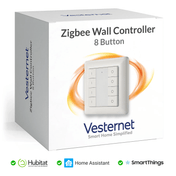
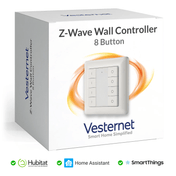
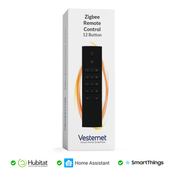
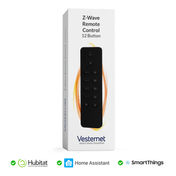
Explore Vesternet's comprehensive range of smart security solutions including advanced smart locks, surveillance cameras, motion sensors, control systems, and gateway hubs designed for seamless integration. Our expert support team provides personalised guidance for designing customised access control systems using wall controllers and wireless remotes that meet your specific property protection requirements and budget considerations.